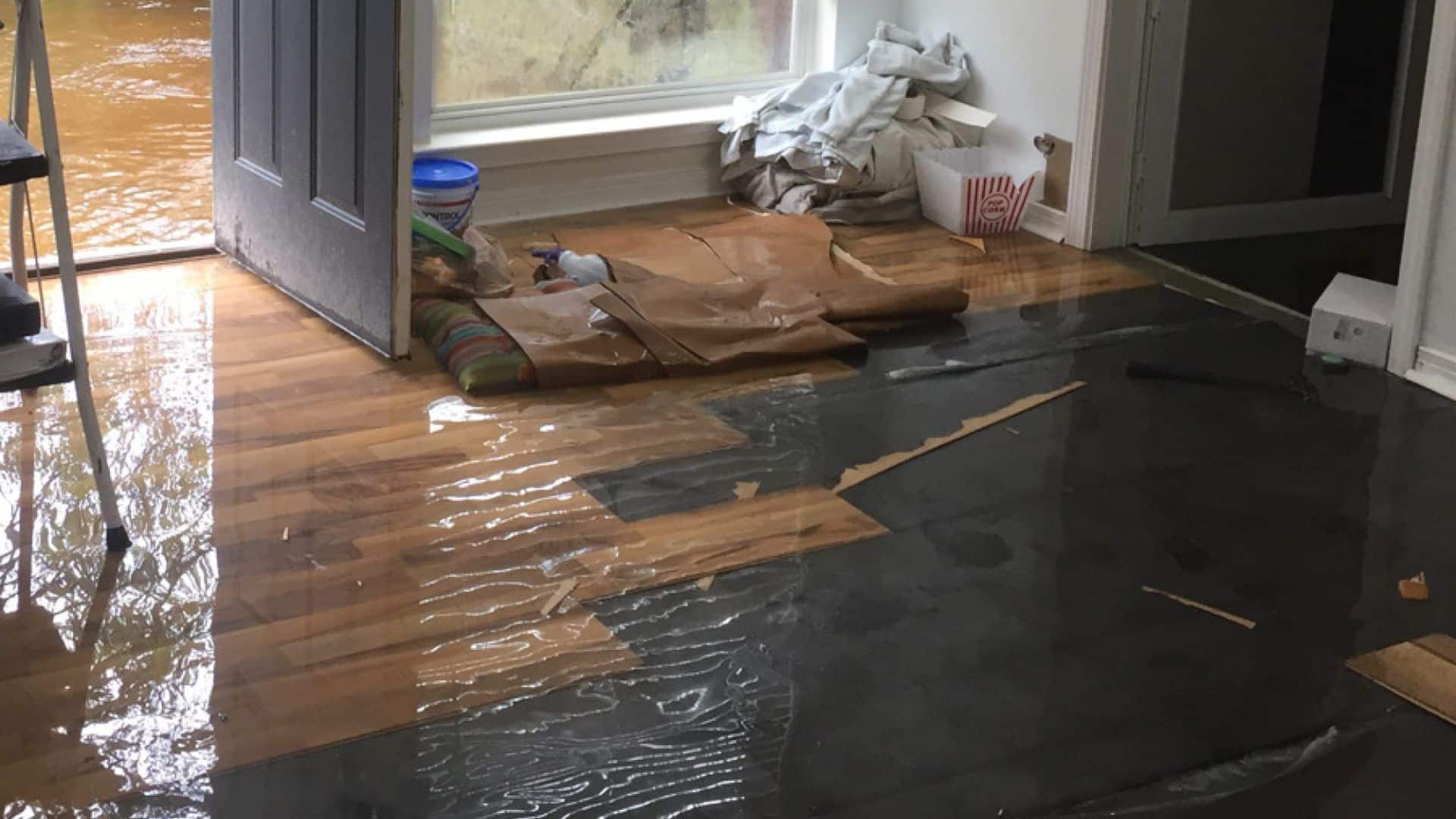

Waking up to the sound of water dripping from your ceiling or discovering a pool of moisture under your kitchen sink is a scenario that many Glendale residents face more often than they would like to admit. In the unique climate of Southern California, where dry heat is often interrupted by sudden heavy rains or extreme Santa Ana wind conditions, the structural integrity of our homes is constantly being tested. Navigating water damage restoration glendale ca requires an understanding of these environmental stressors alongside the inevitable aging of local infrastructure. From the historic estates in Rossmoyne to the modern hillside properties in the Verdugo Mountains, every home has its own set of vulnerabilities that can lead to a catastrophic leak. This guide provides a deep dive into the most frequent sources of moisture intrusion, helping you identify risks before they turn into a major financial burden for your household.
What is the most common cause of water damage in a house?
Statistically, the most common cause of water damage in a house is a failure within the plumbing system, particularly regarding aging pipes or faulty appliance connections. In many Glendale neighborhoods, the transition from copper to PEX piping is still ongoing, leaving many older properties at risk of “pinhole leaks” that can drip behind walls for months before being discovered. When these leaks finally manifest as visible stains, the need for water damage restoration glendale ca becomes immediate to prevent structural rot and mold. These internal failures are often more damaging than external floods because they occur in hidden areas where moisture can saturate insulation and wooden studs without any warning signs.
The second most frequent culprit is the failure of household appliances, with washing machine hoses and water heaters topping the list. A standard water heater has a lifespan of about ten to fifteen years, and in the hard water environment of Los Angeles County, sediment buildup can accelerate the corrosion of the inner tank. When these tanks fail, they typically release their entire contents at once, flooding garages or utility closets in a matter of minutes. Similarly, a burst rubber washing machine hose can pump hundreds of gallons of water into your laundry room per hour, making it one of the most high-volume internal leak sources found in local residences.
Investigating Water Damage Causes Glendale CA Residents Encounter
Beyond simple plumbing failures, the specific Water damage causes Glendale CA experts often identify include clogged HVAC condensate lines and failing sump pumps. During our blistering summer months, air conditioning units run at maximum capacity, pulling gallons of moisture from the air every day. If the drain line becomes blocked by algae or debris, that water has nowhere to go but into your attic or crawlspace. This slow, steady drip is a primary source of ceiling damage in multi-story homes, often requiring professional intervention to dry out the structural joists before the drywall can be replaced.
The Impact of High Water Pressure
Many Glendale homes are located in hilly terrain where municipal water pressure must be kept high to reach elevated properties. If your home does not have a properly functioning pressure-reducing valve (PRV), this high pressure can put immense stress on your faucets, toilets, and pipe joints. Over time, this constant force leads to premature seal failure and catastrophic pipe bursts. Monitoring your home’s water pressure is one of the simplest ways to prevent the sudden need for emergency mitigation services.
Seasonal Drain and Sewer Backups
While we don’t often think of Glendale as a rainy city, our sudden winter storms can overwhelm local drainage systems. Tree roots from our beautiful mature oaks and jacarandas often find their way into aging sewer lines, seeking out moisture. When heavy rains hit, these compromised lines back up, sending “black water” into the lowest points of the home. This type of damage is particularly dangerous because it introduces pathogens and bacteria into the living space, necessitating professional-grade sanitization.
Analyzing Leak Sources in Glendale Houses and Hillside Properties
When looking at leak sources in Glendale houses, we must account for the geographical diversity of the region. Hillside homes are particularly susceptible to “hydrostatic pressure,” where water in the soil pushes against the foundation after a heavy rain. If the property’s drainage or “French drain” system is not properly maintained, this water can seep through small cracks in the concrete, flooding basements or crawlspaces. This is a common issue for properties located along the foothills of the Verdugos, where runoff naturally flows toward the residential developments below.
Another major source of leaks is failing roof systems, particularly around “flashings” and “valleys.” Glendale’s intense sun can bake shingles and tile underlayment, making them brittle and prone to cracking. When the rainy season arrives, these gaps allow water to enter the attic space. Because many homeowners rarely visit their attics, these leaks can go unnoticed until a large section of the ceiling begins to sag. Regular roof inspections are vital for identifying these vulnerabilities before the first drop of rain even falls in the autumn months.
The Danger of Window and Door Seal Failures
Our Santa Ana winds can push rain sideways with incredible force, testing the seals of every window and door in your home. If the caulking has dried out or if the window frames have shifted due to the natural settling of the soil, water can be driven into the wall cavities. This type of intrusion is especially tricky because it often bypasses the surface of the wall and goes straight into the insulation. By the time you see a bubble in the paint, the interior of the wall may already be colonized by mold spores.
Overflowing Toilets and Clogged Drains
It sounds like a minor inconvenience until it happens to you, but an overflowing toilet is a major source of “gray water” damage. Whether it is a mechanical failure of the fill valve or a simple clog, the volume of water can quickly spread across bathroom tiles and into adjacent carpeted hallways. If your home has multiple stories, a bathroom overflow on the upper level can cause significant damage to the ceilings and light fixtures in the rooms directly below. You can discuss the safety protocols for these types of overflows by visiting our contact page to see how we handle contaminated water extractions.
Hidden Leaks in Slab Foundations
Many modern Glendale homes are built on concrete slabs, and when a pipe leaks underneath that concrete, it is known as a “slab leak.” These are among the most difficult leaks to detect because they don’t always result in standing water. Instead, you might notice a warm spot on the floor, a sudden spike in your water bill, or a damp smell in a specific room. Professional leak detection equipment is required to pinpoint these issues without having to jackhammer the entire floor, saving you time and money on the eventual restoration.
Comparing Flood vs Internal Water Damage in Southern California
Understanding the difference between flood vs internal water damage is critical for both your restoration strategy and your insurance coverage. In the eyes of an insurance carrier, a “flood” is typically defined as water that touches the ground outside before entering your home. In Glendale, this usually happens during “atmospheric river” events where the street gutters overflow. Conversely, “internal water damage” comes from your home’s own systems, such as a burst pipe or a leaking roof. These two scenarios often require different types of drying equipment and, most importantly, different insurance policies to cover the costs.
In 2026, we are seeing more property owners invest in smart leak detection systems to bridge the gap between these two risks. These systems can automatically shut off your main water valve if they detect an unusual flow pattern, effectively neutralizing a burst pipe before it can do major damage. However, even with the best technology, external flooding remains a risk for those in low-lying areas. Knowing your flood zone and maintaining your exterior grading can help ensure that water flows away from your foundation rather than toward it during a Southern California downpour.
The Complexity of Rising Groundwater
Rising groundwater is a unique challenge for those living near the base of the mountains. During particularly wet winters, the water table can rise, putting pressure on foundations that were built during dry years. This water is often contaminated with silt and minerals, making the cleanup more intensive than a standard clean-water pipe break. Professional teams must use specialized vacuums and high-pressure pumps to remove the water and the fine silt that it leaves behind in crawlspaces.
Flash Flooding and Debris Flows
For homes located near burn scars from recent brush fires, flash flooding and debris flows are a seasonal reality. These events happen with very little warning and can send a mixture of mud, water, and charred wood into a property. This type of damage is categorized as “black water” and requires the most aggressive form of water damage restoration glendale ca to ensure the property is safe for habitation. The cleaning process involves removing all porous materials that have come into contact with the mud to prevent toxic exposure.
Internal Sprinkler System Failures
In many Glendale apartment complexes and newer luxury homes, fire sprinkler systems are a required safety feature. While they save lives, a mechanical failure or an accidental “knock” to a sprinkler head can release a massive amount of water in a very short time. Because these systems are designed to put out fires, the volume of water is significantly higher than a standard kitchen faucet. This leads to rapid saturation of flooring and subflooring, making immediate professional extraction a non-negotiable step in the recovery process.
| Water Source | Category | Common Examples |
| Clean Water | Category 1 | Broken supply line, faucet overflow, melting ice |
| Gray Water | Category 2 | Dishwasher leak, laundry overflow, sump pump failure |
| Black Water | Category 3 | Sewage backup, river flooding, rising groundwater |
| Hazardous | Specialty | Chemically treated water, chemical spills |
Why Early Detection is Key for Glendale Residents
The common thread among all these leak sources is that the longer the water stays in contact with your building materials, the more expensive the water damage restoration glendale ca will be. Within minutes, water spreads into your floors and furniture. Within hours, drywall begins to swell and break down. Within 24 to 48 hours, mold spores begin to colonize damp surfaces. This is why professional firms in the Glendale area emphasize a 60-minute response time; the window of opportunity to “dry in place” rather than “demolish and rebuild” is incredibly narrow.
In 2026, we utilize thermal imaging technology to find these common causes even when they are hidden. An infrared camera can detect the “evaporative cooling” effect of a leak behind a tiled shower wall or under a hardwood floor, allowing us to pinpoint the source without destructive testing. This high-tech approach is the standard for modern restoration, ensuring that we only remove the materials that are truly unsalvageable while saving as much of your home’s original character as possible.
Protecting Your Hardwood and Heirlooms
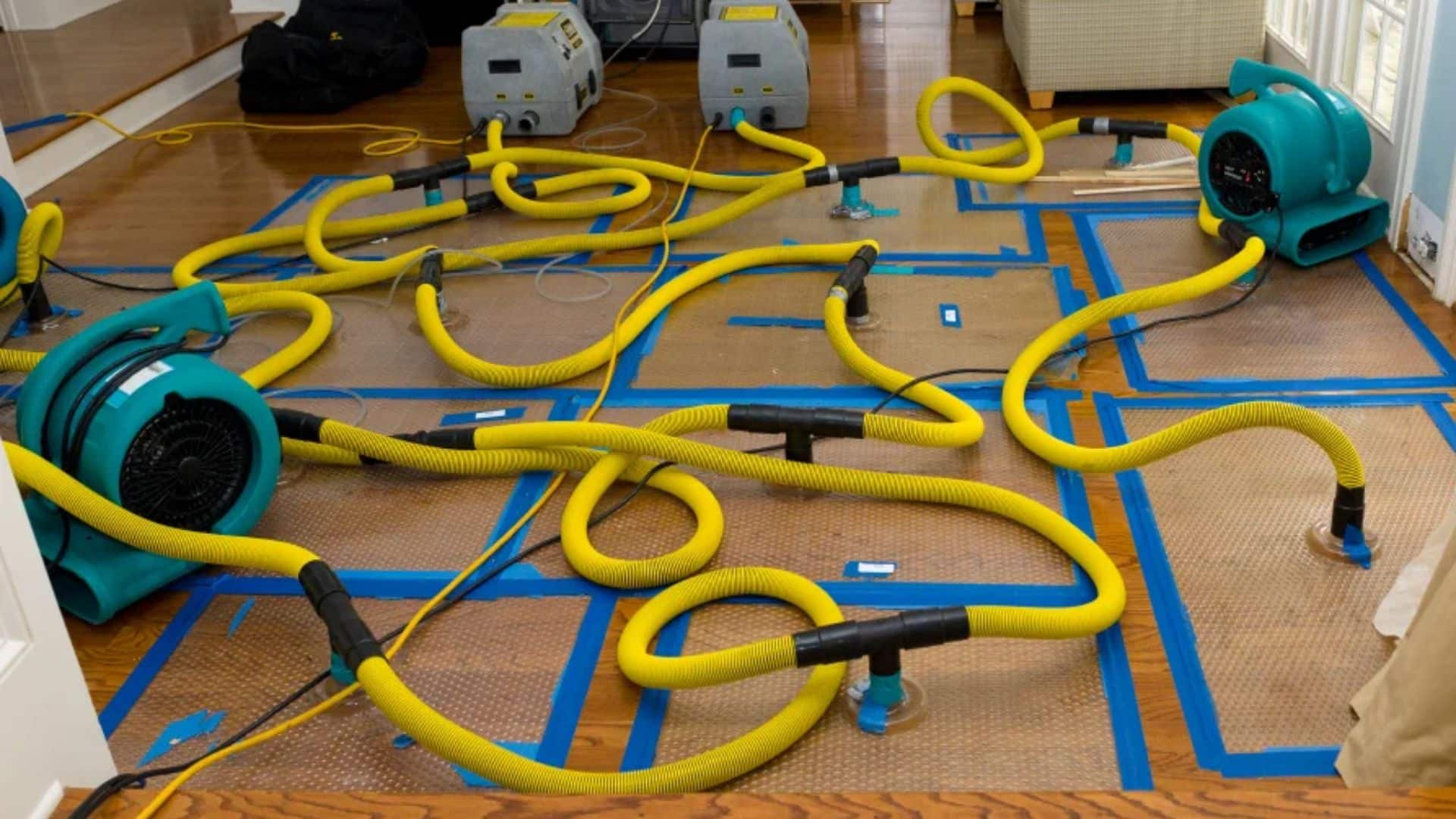
Hardwood floors are a staple of Glendale interior design, but they are also highly susceptible to “cupping” when exposed to moisture from below. If a leak goes undetected in a crawlspace, the moisture can rise up and warp your expensive oak or walnut planks. By identifying the cause of the moisture early, we can use specialized drying mats to pull the water through the wood, often returning the planks to their original flat state. This precision saves homeowners tens of thousands of dollars in replacement costs.
The Role of Professional Moisture Mapping
When a leak occurs, it rarely stays in one place. Water follows the path of least resistance, often traveling down wall studs and pooling in areas far from the original source. Professional restoration involves “moisture mapping,” where we use probes and sensors to track the migration of the water. This ensures that we don’t just dry the “wet spot” on the carpet, but also the saturated baseboards and the damp insulation inside the walls that could cause hidden rot over the next several years.
Understanding the Secondary Damage of Humidity
When a large volume of water enters a home, it evaporates into the air, causing the relative humidity to skyrocket. In Glendale’s warm climate, this high humidity can cause “secondary damage” to items that were never actually touched by the water. For example, high humidity can cause musical instruments to warp, book pages to wrinkle, and mold to grow on the back of oil paintings. Professional-grade dehumidification is the only way to stabilize the indoor environment and protect these sensitive items from the hidden effects of a water disaster.
Frequently Asked Questions (FAQs)
What is the most common sign of a hidden water leak?
The most common sign is a sudden, unexplained increase in your monthly water bill. Other indicators include a musty odor that won’t go away, damp spots on the floor, or a “hissing” sound behind a wall when no water is running. Thermal imaging is the best way to confirm these suspicions without cutting into your drywall.
Is water damage from a rainstorm covered by standard insurance?
Generally, if the rain enters through a “peril” like a wind-damaged roof, it is covered. However, if the water comes from the ground up (rising water), it is usually considered a flood and requires a separate flood insurance policy. It is vital to check your policy for “sewer backup” and “sump pump” endorsements as well.
Can a small leak really cause a lot of damage?
Yes. A slow drip of just one drop per second can waste over 3,000 gallons of water a year. More importantly, that constant moisture creates the perfect environment for wood rot and mold. Even a small “pinhole” leak in a copper pipe can eventually cause a ceiling to collapse if it is not addressed.
How do I know if the water in my home is “clean” or “contaminated”?
Clean water (Category 1) comes from a broken supply line or a faucet. Gray water (Category 2) has some contamination, like soap from a dishwasher. Black water (Category 3) is highly contaminated, such as sewage or floodwater. If you are unsure, always assume the water is contaminated and avoid contact until an expert arrives.
What should I do if I find a leak while I’m on vacation?
If you find damage after returning home, your first step is to turn off the main water valve and call a professional restoration team. Do not turn on your HVAC system or light fixtures until an electrician or restoration specialist has confirmed that the electrical and mechanical systems are dry and safe to operate.
Trusting 4 Square Restoration with Your Glendale Home
Understanding the common causes of water damage is the first step toward protecting your property from the unexpected. Whether it is a failing water heater, a hillside drainage issue, or a sudden winter storm, the key to a successful recovery is a rapid and professional response. By staying proactive with maintenance and knowing who to call when a disaster strikes, you can ensure that your home remains a safe and beautiful haven for years to come in the heart of the Jewel City.
At 4 Square Restoration, we have spent years mastering the complexities of water damage restoration glendale ca for our local community. We understand that your home is your most significant investment, and we treat every project with the urgency and precision it deserves. From high-tech leak detection to the final touches of reconstruction, our team is equipped with the latest 2026 technology to handle any challenge. We work directly with your insurance company to make the claims process as seamless as possible, allowing you to focus on your family while we handle the technical details of the recovery. If you are facing the stress of a sudden leak or suspect a hidden moisture issue, don’t wait for the damage to grow. Contact 4 Square Restoration today to receive a professional assessment and the expert care your Glendale property deserves.