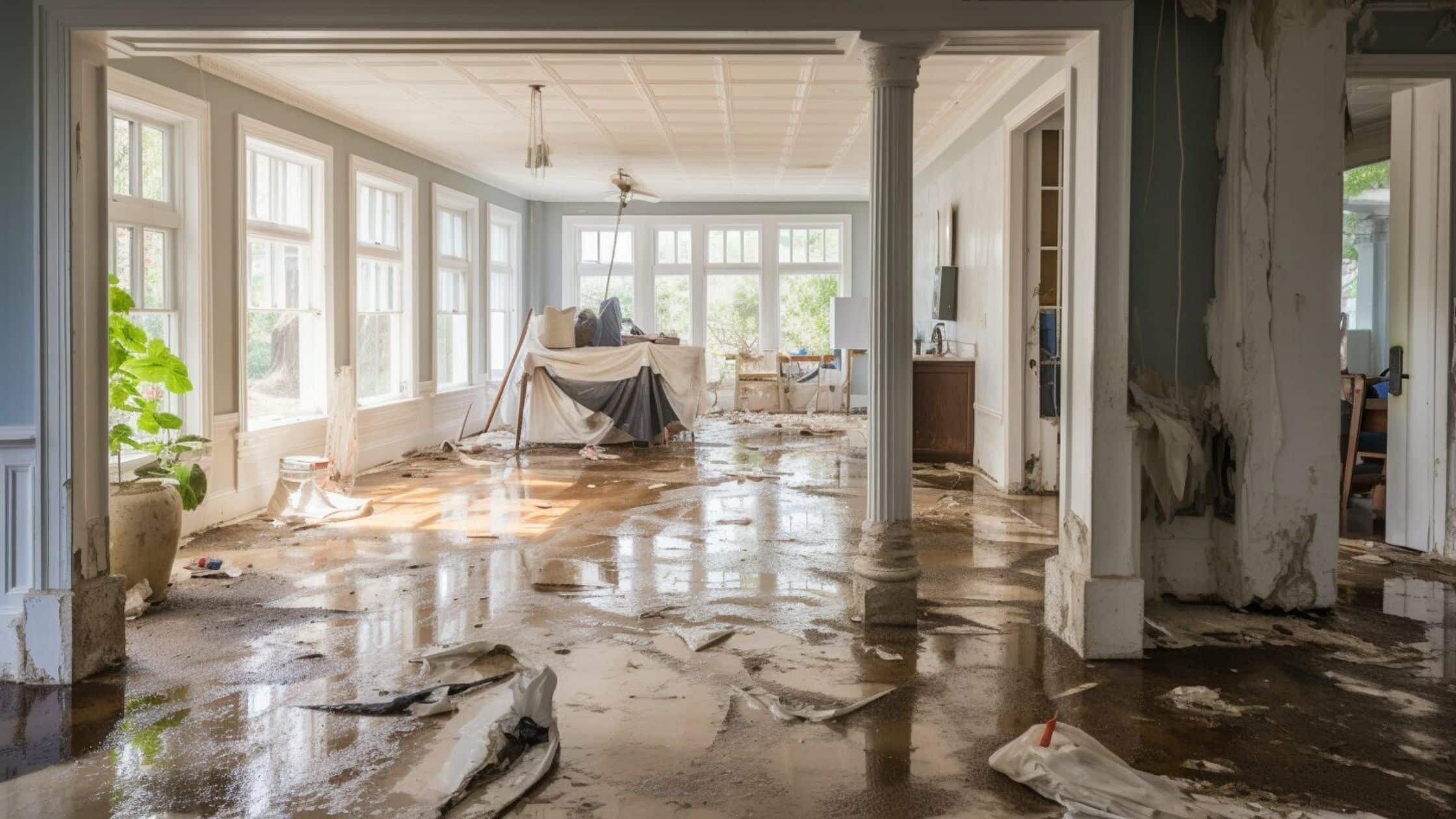

Water leaks can cause serious problems in your home if not addressed quickly. One of the biggest concerns after a leak is the potential for mold growth. Mold can start to develop within 24 to 48 hours of water exposure and can spread rapidly, posing health risks and damaging your property. Knowing how to prevent mold is key to keeping your home safe and healthy.
First, you need to identify the source of the leak and stop it as soon as possible. Whether it’s a burst pipe or a leaky roof, locating and fixing the problem will prevent more water from entering your home. This will involve turning off the water supply and possibly using temporary fixes until a permanent solution can be made. This first step is crucial to minimize damage and stop mold from getting a foothold.
Once the leak is stopped, the focus should shift to drying out the affected areas. Different materials like walls, carpets, and furniture need specific methods for effective drying. Using fans, dehumidifiers, and good ventilation helps speed up the process and removes any remaining moisture. Cleaning and disinfecting the area thoroughly is also vital to kill any mold spores that might have started to grow. Monitoring the area for any signs of mold and taking ongoing preventive measures will ensure that your home remains mold-free in the long run.
Identifying the Source and Stopping the Leak
First, you’ll need to find where the water is coming from. Common sources of leaks include burst pipes, damaged roofs, or faulty appliances. Check areas where water lines are present, like under sinks, behind toilets, or near washing machines. If the leak is hidden, look for signs like water stains, swelling, or bubbling paint on walls.
Once you locate the leak, the next step is to stop it quickly. Turn off the main water supply to prevent more water from causing damage. This can usually be done by locating the main shut-off valve, which is often in the basement or near where the water line enters your home.
If you can’t immediately fix the leak, use temporary solutions like duct tape or pipe clamps to slow it down. For larger holes, you can use epoxy putty, which hardens and seals the leak. These temporary fixes will buy you time to arrange for a more permanent repair. Having these steps in mind can minimize the impact and prevent mold from developing.
Drying Out Affected Areas
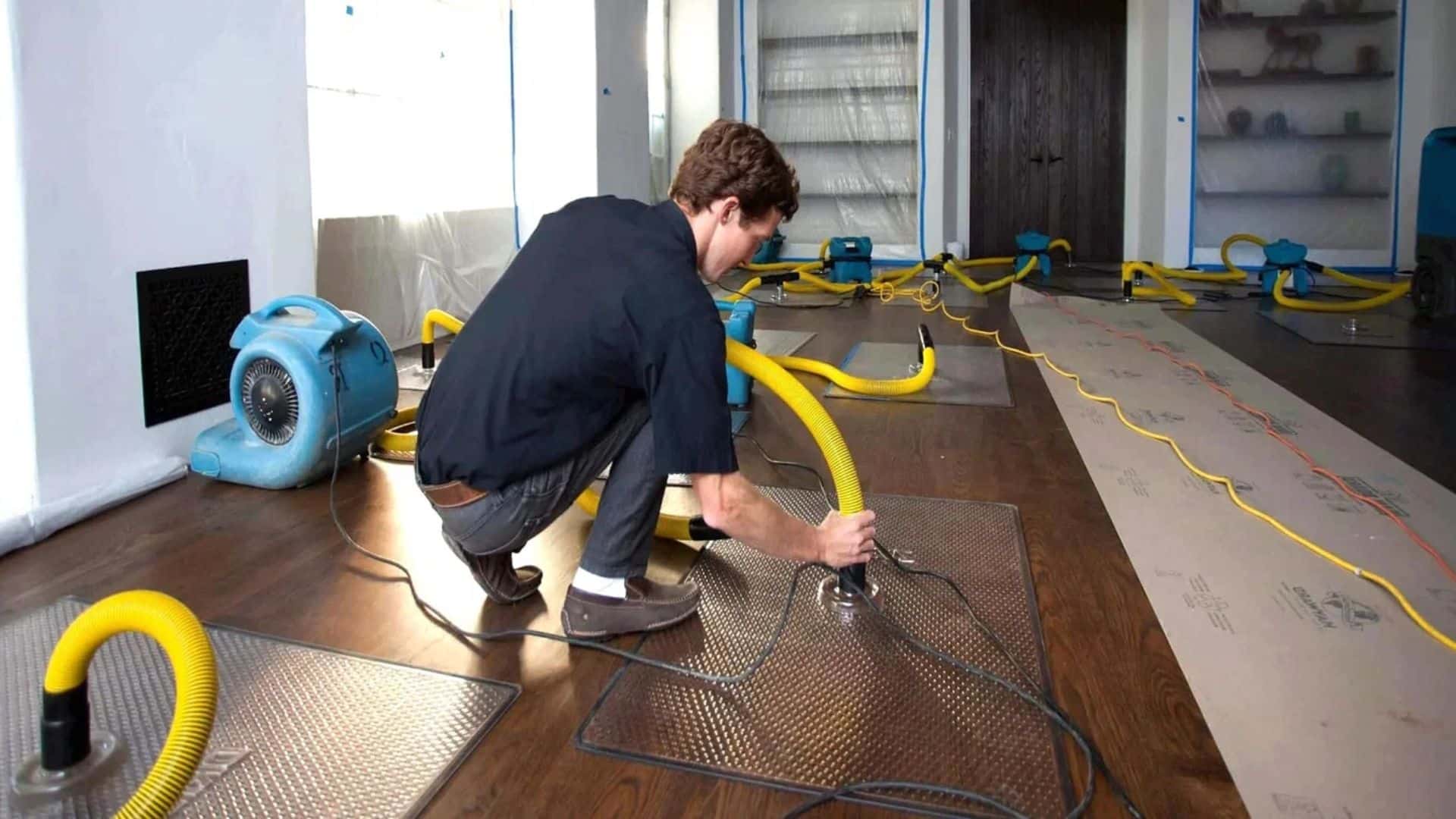
After stopping the leak, it’s crucial to dry out the wet areas. Different materials need different drying methods. For walls and floors, start by removing any soaked carpets or rugs. Use towels or mops to soak up as much water as possible.
Here are some effective methods to speed up the drying process:
– Fans: Place fans around the affected area to circulate air and help dry things out faster.
– Dehumidifiers: These devices remove moisture from the air, which helps dry wet surfaces quicker. Place dehumidifiers in the center of the room for best results.
– Ventilation: Open windows and doors to allow air to flow through. This natural ventilation can help reduce humidity levels and dry wet areas.
– Wet/Dry Vacuum: This type of vacuum can suck up water from carpets and floors, reducing drying time.
Using these tools and tips will help you dry out your home faster and prevent mold growth. Ensuring everything is thoroughly dry is crucial in keeping mold at bay and maintaining a healthy living environment.
Cleaning and Disinfecting
After drying out the area, the next step is to clean and disinfect thoroughly. This is key to preventing mold growth. Start by scrubbing surfaces with soap and water to remove dirt and debris. For hard surfaces like floors and walls, a simple solution of water and dish soap can work well. However, you may need stronger cleaners for tougher stains and residues.
Once the initial cleaning is done, move on to disinfecting. Use a solution of water and bleach—about one cup of bleach to a gallon of water—or a commercial disinfectant to kill any remaining mold spores. Be sure to wear gloves and keep the area well-ventilated while using bleach. Apply the solution using a spray bottle or sponge, making sure to cover all affected areas.
Here are some recommended cleaning products and tools:
– Bleach: Effective for killing mold spores.
– Commercial Disinfectants: Specialized mold killers available at hardware stores.
– Scrub Brushes: Use various sizes for different surfaces.
– Mops and Sponges: For applying cleaning solutions and scrubbing surfaces.
By thoroughly cleaning and disinfecting, you create an environment that’s inhospitable to mold, ensuring your home stays healthy and safe.
Monitoring and Ongoing Prevention
After the initial clean-up, it’s important to keep an eye out for any signs of mold. Mold can grow in hidden areas, so be vigilant. Check for musty smells, discoloration, or any new stains on walls and ceilings. Regularly inspect areas that were previously wet or have a history of leaks.
Long-term prevention strategies are essential to keep mold at bay. Controlling humidity is key; keep indoor humidity below 60% by using dehumidifiers and air conditioners. Make sure your home is well-ventilated, especially in areas prone to moisture like bathrooms and kitchens. Exhaust fans can help remove excess moisture from the air.
Here are some tips for ongoing mold prevention:
– Fix Leaks Promptly: Address any new leaks immediately.
– Use Mold-Resistant Products: Consider mold-resistant paint and drywall in high-moisture areas.
– Regular Inspections: Conduct routine checks for signs of mold.
– Maintain Gutters: Ensure gutters and downspouts are clear and directing water away from your home.
By following these steps, you can prevent mold from becoming a recurring problem, keeping your living space safe and comfortable.
Conclusion
Keeping mold away after a water leak involves quick action and diligent follow-up. By identifying and stopping the leak, drying out affected areas, cleaning and disinfecting thoroughly, and monitoring for signs of mold, you can protect your home and health. Mold can cause serious issues if left unchecked, but with the right approach, you can minimize the risk.
For expert mold removal and preventive care, trust Four Square Restoration to handle all your property damage restoration services. Contact us today to ensure your home is safe, mold-free, and restored to its best condition.