
The sound of rushing water where there should be silence is a heart-stopping moment for any property owner in the Verdugo Mountains or the suburban streets of the Jewel City. Whether it is a localized pipe burst in an older home near Kenneth Village or a sudden appliance failure in a modern North Glendale apartment, your immediate reactions dictate the total cost and success of the recovery. Navigating water damage restoration glendale ca requires a blend of quick thinking, safety awareness, and a methodical approach to moisture control. In 2026, the complexity of California building materials and local environmental regulations makes a professional response more critical than ever before. This guide serves as your definitive roadmap, taking you from the initial shock of discovery to a fully restored, safe environment for your family or business.
What is the first thing to do when you have water damage?
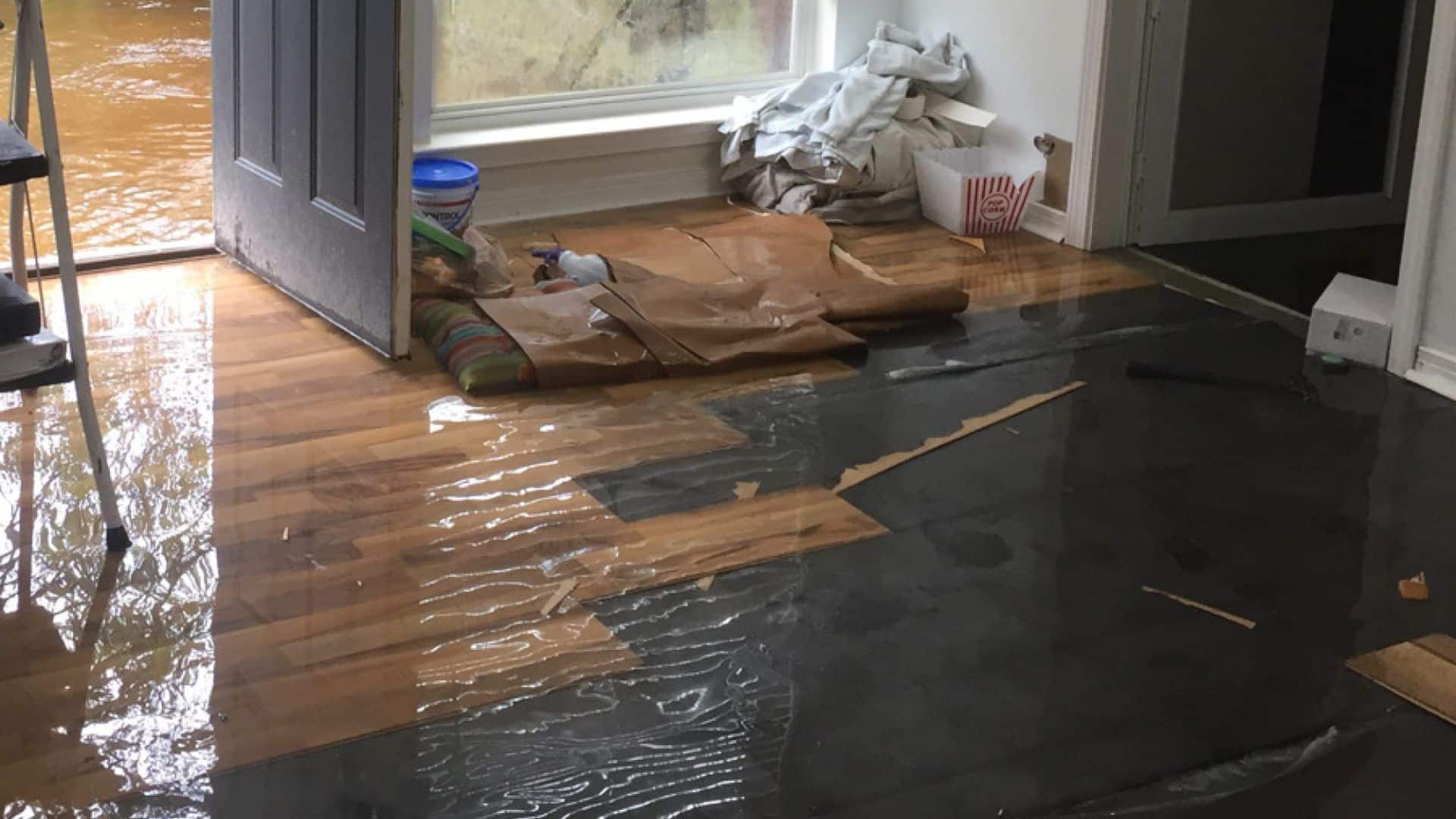
The absolute first priority when you discover an active leak is to ensure the safety of all occupants while simultaneously stopping the flow of water. If you can safely access your home’s main water shut-off valve, usually located near the street or in a garage, turning it clockwise will halt the pressure and prevent thousands of gallons from further saturating your structure. When dealing with water damage restoration glendale ca, time is your greatest enemy, but safety must remain your primary focus. If the water has reached electrical outlets or is dripping from light fixtures, do not enter the standing water and instead shut off the main electrical breaker to eliminate the risk of electrocution.
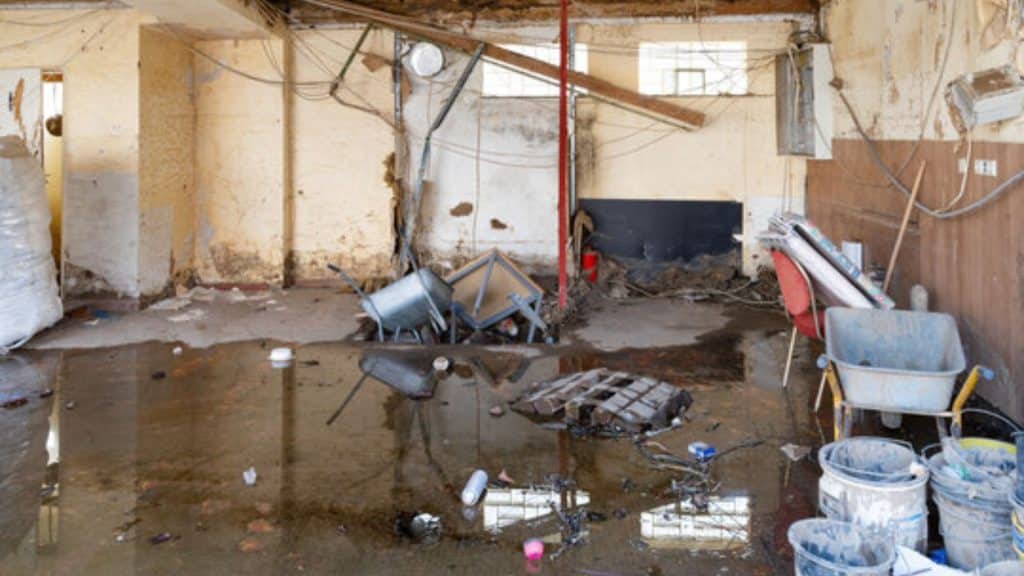
Once the immediate threat is neutralized, your next step should be a visual assessment of the affected areas to determine the “Category” of the water. In Glendale, we often see everything from clean water supply line breaks to “Gray” water from laundry overflows or even “Black” water from local sewer backups. Knowing the source helps you communicate effectively with experts and insurance adjusters. If the water is clean, you may begin moving high-value items like electronics, heirlooms, and documents to a dry upper floor. However, if you suspect the water is contaminated, it is vital to keep all family members and pets away from the area until professional decontamination can occur.
Establishing an Emergency Water Damage Response Glendale Plan
An effective emergency water damage response Glendale plan begins with a quick call to a certified restoration professional who can dispatch a team within the hour. While waiting for the crew, avoid using household vacuum cleaners to suck up water, as they are not designed for large volumes and pose a significant electrical risk. Instead, focus on “source containment” by using towels or sandbags to prevent water from traveling into unaffected rooms. This proactive stance significantly reduces the “dwell time” of the moisture, which is the leading factor in permanent structural degradation.
Documenting the Damage for Future Claims
Before you begin any cleanup or move too many items, take out your smartphone and capture comprehensive photos and videos of the scene. Document the water level, the source of the leak, and the specific items that have been touched by moisture. This visual evidence is the “gold standard” for insurance claims and ensures that you are fairly compensated for your losses. In Glendale’s competitive real estate market, having a clear paper trail of the damage and the subsequent professional repairs protects your property’s long-term resale value.
Identifying Structural and Electrical Hazards
Beyond the water itself, be mindful of sagging ceilings and compromised flooring. Water is incredibly heavy; a saturated ceiling can weigh hundreds of pounds and collapse without warning. If you see a “bubble” forming in your ceiling paint, avoid the area and let professionals drain it safely. Furthermore, be aware that water can travel along wiring inside wall cavities, creating hidden fire hazards that might not manifest until the power is turned back on later.
Essential First Steps After Home Flooding in Glendale
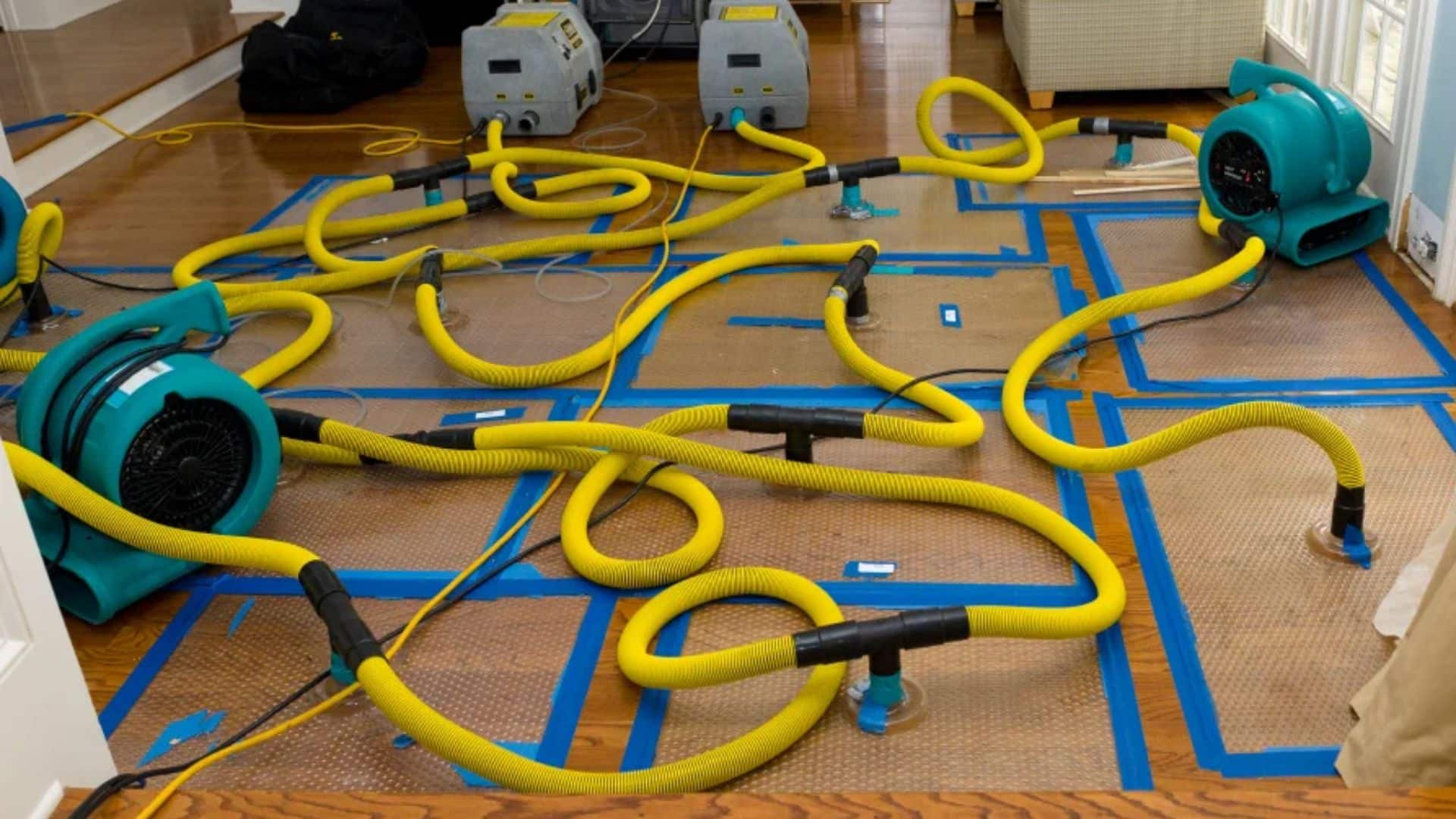
Following the initial safety sweep, the first steps after home flooding involve a deeper dive into moisture stabilization and air quality control. If the outdoor humidity in Glendale is low and the weather is dry, opening windows can help facilitate some natural evaporation. However, do not rely on this as a primary drying method. Professional restoration involves the use of industrial-grade LGR (Low Grain Refrigerant) dehumidifiers that can pull moisture from deep within the wooden framing of your home. These machines are far more powerful than anything available at a local hardware store and are essential for preventing secondary damage like wood rot.
One of the most overlooked aspects of the initial response is the protection of furniture from “secondary wicking.” When wooden furniture legs sit in water, they act like straws, pulling the moisture up into the finish and the upholstery. You can prevent this by placing aluminum foil or plastic “furniture tabs” under the legs of your couches, tables, and chairs. This simple step can save thousands of dollars in high-end furniture restoration costs while you wait for the professional extraction team to arrive on the scene.
The Role of Rapid Extraction
Water is a progressive disaster; within the first 24 hours, it begins to swell drywall and delaminate plywood subflooring. Professional extraction uses truck-mounted vacuum systems that are exponentially more powerful than a shop-vac. These systems pull water out of carpet fibers and padding, often allowing us to save materials that would otherwise be discarded. The goal is to remove as much liquid as possible as quickly as possible, which shortens the subsequent drying time and reduces the risk of microbial growth.
Assessing Material Porosity
Different materials in your Glendale home react differently to water. For example, solid hardwood can often be saved if the drying starts within hours, whereas laminate flooring often “bubbles” and is ruined instantly. Drywall is particularly sensitive; if it stays wet for more than 48 hours, the paper backing becomes a food source for mold. You can discuss the specific materials in your home with our experts by visiting our contact page to get a tailored assessment of what can be salvaged versus what needs to be replaced.
Managing Indoor Humidity and Temperature
Professional teams will set up “drying chambers” using heavy-duty plastic sheeting to isolate the wet areas from the rest of the house. This allows us to focus the dehumidification power exactly where it is needed, creating an environment with very low relative humidity. By controlling the temperature and airflow, we can “force” the moisture out of dense materials like subfloors and wall studs. This scientific approach, known as psychrometry, is the only way to guarantee a truly dry and safe home.
Your Glendale CA Water Damage Checklist for 2026
To stay organized during a crisis, following a Glendale CA water damage checklist can keep your recovery on track. Start by notifying your insurance agent to open a claim and receive your claim number. Next, contact a local restoration company that understands the specific building codes of Los Angeles County. Ensure they are IICRC certified, which means they follow the highest industry standards for cleaning and restoration. In 2026, technology has moved toward “dry in place” methods, so ask your contractor if they have the equipment to save your walls and cabinets without full demolition.
| Action Item | Responsibility | Timeline |
| Stop Water Source | Homeowner | Immediate |
| Turn Off Electricity | Homeowner | Immediate |
| Professional Call | Homeowner | Within 1 Hour |
| Documentation/Photos | Homeowner | Within 2 Hours |
| Water Extraction | Restoration Team | Within 4 Hours |
| Setup Dehumidifiers | Restoration Team | Within 4-6 Hours |
Evaluating the Need for Mold Prevention
In our local climate, mold can begin to colonize in as little as 24 to 48 hours. Part of your checklist should include the application of professional-grade, EPA-registered antimicrobials. These solutions are applied to wet surfaces to disrupt the growth of mold spores while the drying process is underway. This is especially important in Glendale, where hidden moisture in wall cavities can lead to long-term indoor air quality issues that affect respiratory health.
Reviewing Insurance Deductibles and Limits
Not all water damage is covered equally. Most policies cover “sudden and accidental” events like a burst pipe, but they may exclude “seepage” or “wear and tear.” Review your policy to see if you have a separate deductible for water claims or if you have “water backup” coverage for failed sump pumps or sewer lines. Understanding your financial responsibility early on prevents surprises when the final bill arrives from the restoration and repair teams.
Coordinating with Professional Adjusters
When the insurance company sends their adjuster to your Glendale property, have your restoration contractor present. The contractor can provide the “moisture maps” and thermal imaging reports that prove exactly how far the water traveled. This technical data makes it much easier for the adjuster to approve the full scope of repairs. This collaborative approach ensures that you receive the maximum benefit allowed under your policy to return your home to its pre-loss condition.
Navigating the Challenges of Water Damage Restoration Glendale CA
Choosing the right partner for water damage restoration glendale ca is the most important decision you will make in the recovery process. You need a team that doesn’t just “dry things out” but understands the structural nuances of Glendale’s diverse architecture—from historic Spanish Colonials to modern hillside estates. Professional restoration in 2026 involves more than just fans; it requires a deep understanding of air-vapor mixtures and the ability to monitor the drying progress remotely using smart sensors that send data directly to the technician’s mobile device.
This modern approach to water damage restoration glendale ca ensures that no moisture is left behind in hidden areas like crawlspaces or behind tiled shower walls. By reaching “dry standards” quickly, we prevent the “wicking” effect that can lead to wood rot in the structural framing of your home. Furthermore, professional teams handle all the heavy lifting, from moving saturated furniture to dealing with the complex insurance paperwork, allowing you to focus on getting your family’s life back to normal.
Specialized Drying for High-End Materials
Glendale properties often feature high-end finishes like marble countertops, custom cabinetry, and exotic hardwood floors. These materials require specialized drying techniques to avoid permanent staining or cracking. For example, “suction mat” systems are used to pull moisture out of hardwood floors from the bottom up, often saving thousands of dollars in replacement costs. This level of precision is the hallmark of a professional restoration service that prioritizes “restoration over replacement.”
The Importance of HEPA Air Scrubbing
During the drying process, as air movers circulate air at high speeds, they can kick up dust, debris, and potential mold spores into the air. Professional restoration teams use HEPA (High-Efficiency Particulate Air) scrubbers to clean the air continuously. These machines pull in the room air, filter out 99.97% of particulates, and exhaust clean air back into the space. This is a vital step for protecting the health of children, elderly residents, and anyone with pre-existing respiratory conditions during the cleanup phase.
Transitioning from Mitigation to Reconstruction
Once the “mitigation” phase, the cleaning and drying, is complete, the “reconstruction” phase begins. This involves the actual repair of the structure, such as hanging new drywall, painting, and installing new flooring. Hiring a “full-service” company that handles both mitigation and reconstruction can save you weeks of time and prevent communication errors between different contractors. This seamless transition ensures that your Glendale home is returned to its original beauty with the least amount of stress for you.
Frequently Asked Questions (FAQs)
How long does the water restoration process usually take in Glendale?
On average, the drying phase takes between 3 to 5 days. However, the total restoration timeline, including the rebuild of drywall and flooring, can take anywhere from two to four weeks depending on the extent of the damage and the availability of materials.
Will my insurance pay for a hotel if my home is flooded?
Most “comprehensive” homeowners insurance policies include “Additional Living Expenses” (ALE) or “Loss of Use” coverage. This pays for hotel stays, restaurant meals, and even laundry services if your home is deemed uninhabitable during the restoration process.
Can I just let the water dry on its own?
No. In Glendale, the humidity inside a wet home can quickly skyrocket, leading to secondary damage. Natural drying is often too slow to prevent mold growth, which can begin in as little as 24 hours. Professional dehumidification is necessary to pull moisture out of the deep pores of building materials.
Is it safe to walk through the water in my basement?
If the water is from a “Category 3” source like a sewer backup, it is absolutely unsafe due to pathogens and bacteria. Even with “Category 1” clean water, there is a risk of electrocution if the water has reached electrical outlets. Always wait for a professional safety assessment before entering a flooded area.
How do I know if my home is truly dry?
Professional restoration teams use moisture meters and thermal imaging to verify that the moisture levels have returned to their “dry standard.” You should never rely on “touch” or “sight” alone, as materials can look and feel dry on the surface while remaining dangerously wet inside.
Choosing 4 Square Restoration for Your Glendale Property
When a water disaster strikes, the speed and quality of your response will define your property’s future. Choosing a professional path means more than just clearing up a mess; it means protecting the health of your family and the structural integrity of your Glendale home. By understanding the critical steps from stopping the source to professional verification you can move through the crisis with confidence and clarity.
At 4 Square Restoration, we are proud to be the trusted experts for water damage restoration glendale ca residents rely on during their most difficult moments. Our team is equipped with the latest 2026 technology, from infrared cameras to smart-monitored drying systems, ensuring that every project is completed to the highest standards. We handle every aspect of the recovery, including direct coordination with your insurance company to streamline the claims process. If you are facing the stress of a flooded home or a sudden leak, don’t wait for the damage to spread. Reach out to 4 Square Restoration today to secure the professional water damage restoration glendale ca services you need to restore your home and your peace of mind.