
Detecting black mold early is one of the most important steps Los Angeles homeowners can take to protect their property and health. The warm climate, coastal humidity, and common moisture issues in Southern California make mold growth a frequent problem. Many homeowners do not recognize the early warning signs until contamination has already spread. When residents understand how to identify the first indicators of mold and when to seek black mold removal Los Angeles services, they can avoid costly repairs and reduce long-term exposure risks. Early detection empowers homeowners to maintain safer, healthier living environments.
What are the first warning signs of black mold in a Los Angeles home?
The earliest warning signs of black mold are often subtle. Mold usually begins forming in areas with excess moisture, such as bathrooms, basements, attics, crawlspaces, and kitchens. Homeowners may notice slight changes long before mold becomes visible. Catching these early signs reduces the chances of mold spreading inside walls or ceilings.
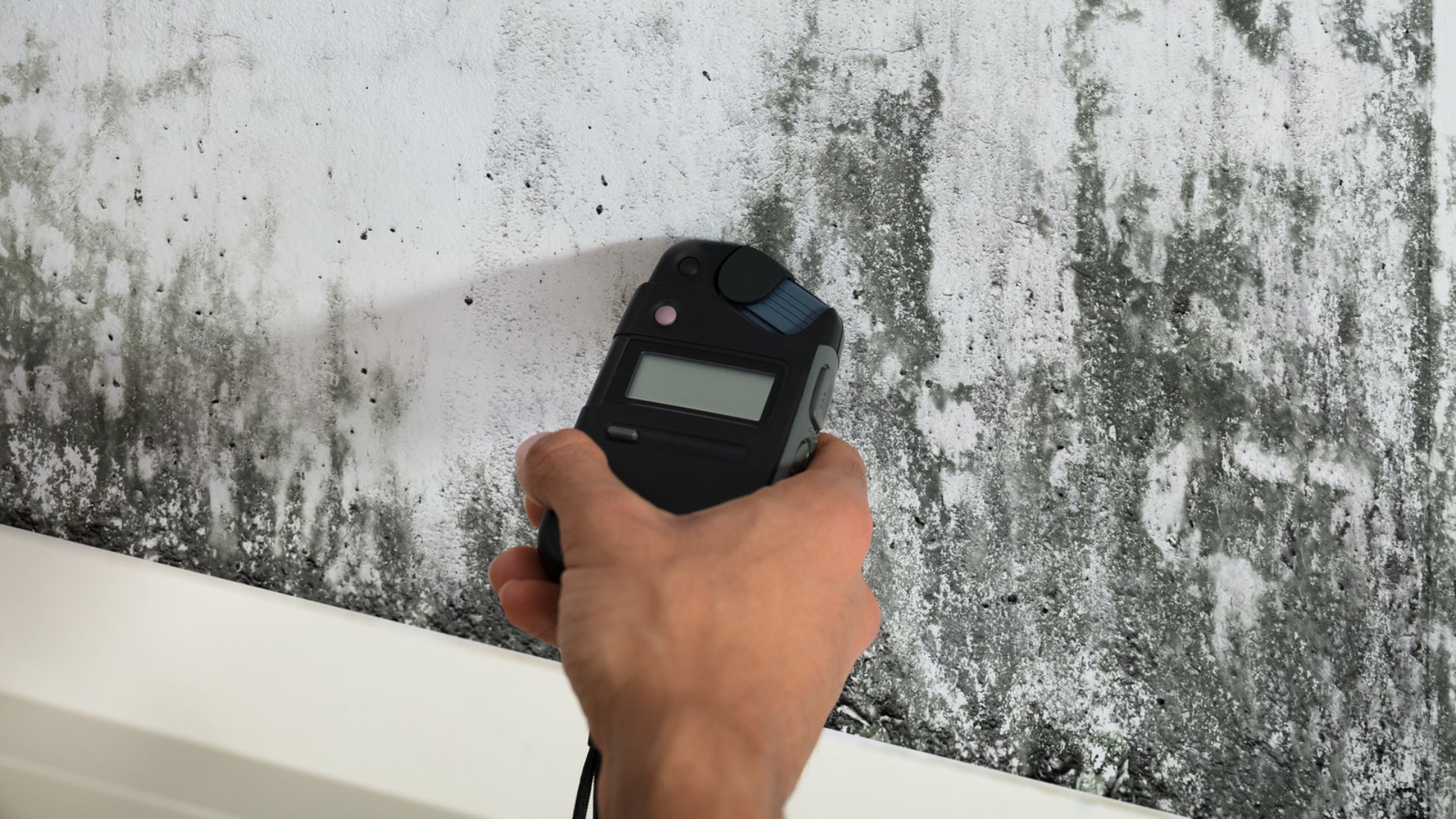
Musty or earthy odors are one of the most common early indicators. These odors resemble damp soil or old wood and often become stronger after showering, cooking, or running HVAC systems. Even if no mold is visible, persistent odors typically suggest hidden growth. Small patches of discoloration or speckled stains can also indicate mold colonies developing beneath surfaces. In many cases, homeowners dismiss these small changes as dirt or shadowing, but they often point to growing mold.
Other signs include peeling or bubbling paint, warped drywall, and wallpaper that begins lifting from the surface. Moisture behind walls often causes these structural changes. Some homeowners also experience recurring allergy-like symptoms indoors, such as coughing, sneezing, or sinus irritation. These reactions may relate to airborne spores circulating through the home.
How can homeowners know if mold is growing inside their walls?
Many Los Angeles homes are susceptible to hidden mold because older plumbing systems, aging roofs, and outdated ventilation can trap moisture inside walls. Knowing how to know if there is mold in walls LA homeowners frequently encounter is essential for timely detection. Mold behind walls is particularly dangerous because it can spread undetected for long periods.
Soft or warped drywall is one of the clearest signs of moisture absorption. When drywall becomes saturated, it weakens and begins losing its structural integrity. Discoloration or expanding brown stains suggest plumbing leaks or roof leaks allowing moisture to infiltrate wall cavities. Increased indoor humidity also points to trapped moisture behind surfaces, especially in homes with poor air circulation.
Some homeowners hear faint dripping or leaking sounds inside walls, which often indicates slow plumbing leaks. Even minor leaks can create enough moisture for mold to begin forming within forty-eight hours. Because hidden mold spreads quickly, any combination of these signs should prompt a professional inspection. When homeowners notice these concerns, many choose to contact us for immediate assessment and moisture detection.
Why is early detection of black mold important in Los Angeles homes?
Early detection is crucial because black mold can expand rapidly and weaken structural components. Materials such as wood framing, drywall, carpeting, insulation, and subflooring absorb moisture easily. Once mold spreads into these materials, cleaning the surface is not enough. Early detection helps prevent deeper contamination and limits the need for extensive repairs.
Black mold exposure can also lead to respiratory problems, headaches, allergies, and other health issues. Children, seniors, and individuals with weakened immune systems are more susceptible to these effects. In a climate like Los Angeles, where humidity can fluctuate and older homes often lack updated ventilation, early detection becomes even more important for long-term safety.
What common areas of a Los Angeles home should be inspected for black mold?
Certain areas of a home are more vulnerable to mold growth because they frequently experience moisture or condensation. Using an indoor mold detection checklist helps homeowners monitor spaces that are at higher risk and inspect them regularly.
Bathrooms often develop mold due to steam from showers and inadequate ventilation. Kitchens may accumulate moisture from cooking, refrigerator condensation, and plumbing leaks under sinks. Basements and crawlspaces tend to trap humidity, making them a common source of hidden mold. Attics can harbor mold when roof leaks or poor airflow create dampness. HVAC systems, including air ducts and air handlers, may distribute mold spores throughout a home if moisture accumulates inside the system.
Regular inspection of these areas ensures that small issues are caught early before becoming larger problems. Homeowners should remain aware of seasonal humidity and weather changes, especially after heavy rainfall or heatwaves.
What tools can help detect black mold early in Los Angeles homes?
Several tools can assist homeowners in identifying early mold growth, especially when mold is hidden behind surfaces. Moisture meters detect elevated moisture levels in drywall, wood, and flooring. These tools help determine whether moisture is trapped inside building materials.
Infrared cameras are useful for detecting temperature changes behind walls and ceilings. Because moisture cools building materials, thermal imaging highlights areas that may require deeper investigation. Hygrometers measure indoor humidity levels and help homeowners maintain proper humidity to prevent mold growth. Flashlights and inspection mirrors help examine tight spaces, corners, and areas behind appliances.
While these tools can help identify warning signs, professional testing provides the most accurate results. Mold experts use advanced equipment and lab testing to confirm mold presence and identify contamination sources.
What does early-stage black mold look like?
Early-stage black mold does not always appear as large patches. Instead, it may look like small specks or clusters of dark green, grey, or black spots. These clusters may form along edges, corners, or grout lines. Some early mold growth appears faint or powdery, while other types look slimy depending on moisture levels. Because black mold often begins behind walls or under flooring, visible signs may appear only after mold has spread extensively. Monitoring odor, moisture, and structural changes is just as important as looking for visual signs.
How does the Los Angeles climate increase mold growth risks?
Los Angeles has a unique climate that combines dry heat with periods of humidity, especially near coastal areas. Marine layer moisture can enter homes during early mornings and evenings, contributing to condensation. Seasonal rainstorms may cause leaks or water intrusion. Homes near beaches often experience higher humidity due to salt-heavy air, while inland homes can experience temperature fluctuations that create condensation inside walls.
Many LA homes were built decades ago, and older ventilation systems make moisture control more difficult. These climate conditions increase the likelihood of mold growth unless homeowners stay proactive in monitoring for early signs.
What should Los Angeles homeowners do if they suspect early mold growth?
Once early signs of mold appear, homeowners should avoid attempting to clean or disturb the mold. Scrubbing mold with household cleaners often spreads spores and worsens contamination. The best step is to document signs, avoid disturbing affected areas, and schedule a professional mold inspection. Professionals determine whether immediate remediation is necessary and provide guidance on preventing future growth.
Table: Early Warning Signs of Black Mold in Los Angeles Homes
| Warning Sign | Possible Cause | Mold Risk Level |
| Musty odors | Moisture buildup | High |
| Peeling paint | Wall moisture | Medium |
| Expanding stains | Plumbing leaks | High |
| Warped drywall | Internal moisture | High |
| Indoor allergies | Airborne spores | Medium |
How can homeowners prevent black mold after detecting it early?
After identifying mold, homeowners should maintain proper humidity levels, repair leaks quickly, improve ventilation, and consider installing exhaust fans in moisture-prone areas. Using dehumidifiers in basements, crawlspaces, and bathrooms reduces moisture accumulation. Regular inspections of roofs, plumbing fixtures, and HVAC systems also help prevent mold recurrence. Prevention is an ongoing process, not a one-time fix.
When should early mold detection lead to professional removal?
If mold covers more than ten square feet, appears in multiple rooms, or produces strong odors, professional removal is necessary. Black mold often spreads deeper than it appears, making expert intervention essential. If residents experience recurring health symptoms when inside the home, this also indicates that mold may already be airborne. Professional black mold removal Los Angeles services ensure safe removal and long-term protection.
FAQs
What health symptoms suggest possible mold exposure?
Symptoms include sneezing, coughing, headaches, nasal congestion, and sinus irritation, especially when indoors.
Can black mold grow without being visible?
Yes. Black mold frequently forms inside walls, ceilings, and flooring without showing visible signs.
How fast does black mold develop after moisture exposure?
Black mold can begin growing within twenty-four to forty-eight hours.
Does air testing help detect early mold?
Air testing identifies spores in the air and is useful when mold is suspected but not visible.
Should homeowners attempt DIY mold testing?
DIY mold tests are unreliable. Professional inspections offer accurate results and safe handling procedures.
Conclusion
Detecting black mold early helps Los Angeles homeowners protect their health and avoid costly structural repairs. Recognizing early signs, understanding moisture patterns, and using proper detection tools allows residents to identify mold before it spreads extensively. When early warnings appear, professional black mold removal Los Angeles services provide the most reliable solutions. For expert inspections, safe removal, and trusted support, 4 Square Restoration is committed to helping homeowners maintain clean, healthy living environments.