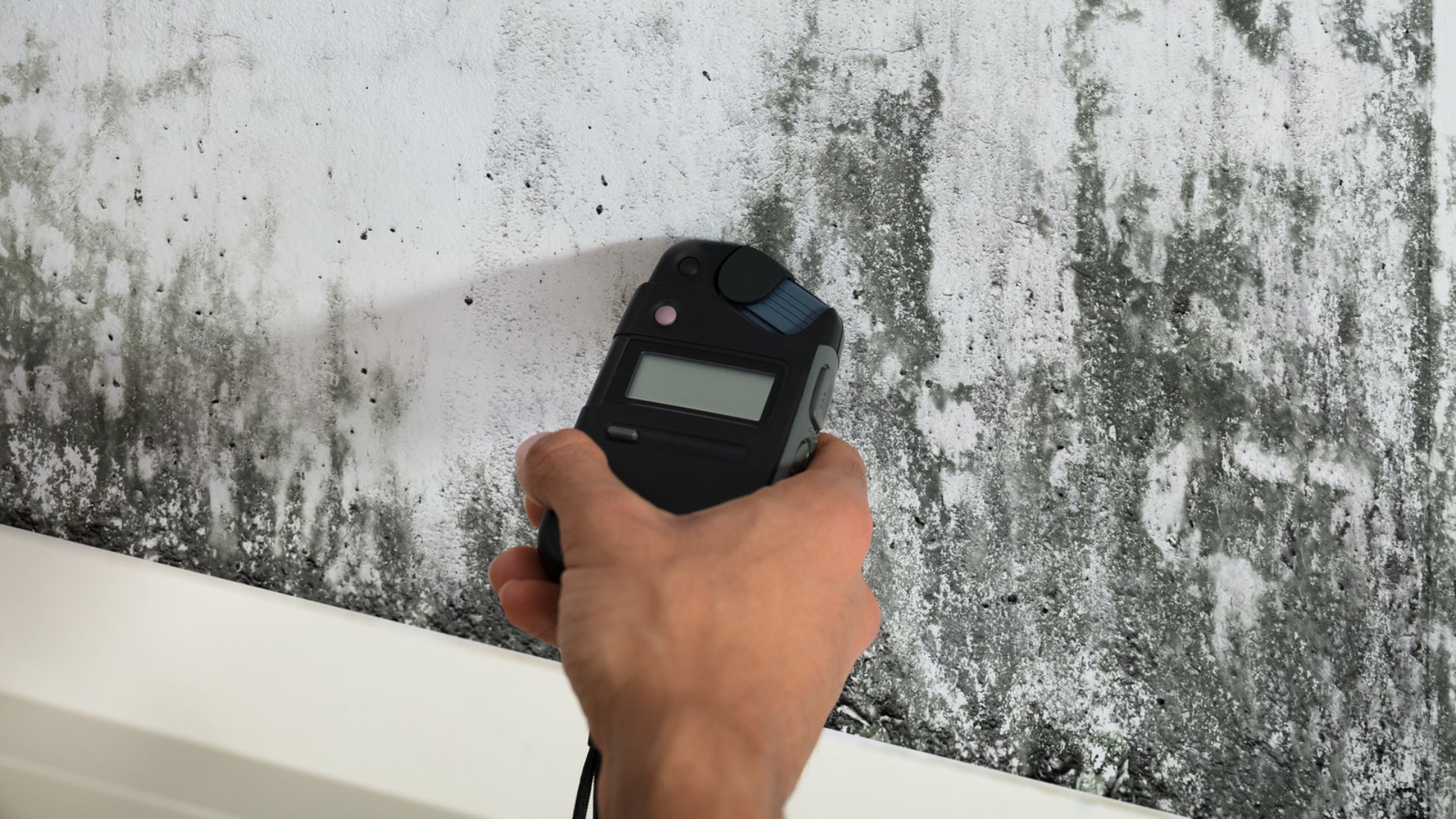

Identifying the early warning signs of fungal growth can save your property from structural decay and protect your family from significant health risks. In 2026, the most reliable indicators that you require professional mold remediation in Los Angeles include persistent musty odors that worsen when your HVAC system is running, visible fuzzy patches or “speckling” on drywall, and unexplained respiratory issues among residents. While the Mediterranean climate of Southern California often keeps outdoor air dry, moisture trapped in the wall cavities of a beachfront home in Playa Del Rey or a basement in Altadena can foster rapid colony growth. Direct action is required if you see water staining or experience warped flooring, as these symptoms suggest that a hidden moisture source is fueling a mold infestation that may be much larger than what is visible on the surface.
How do you know if you need mold remediation?
You know you need remediation when there is evidence of active fungal growth combined with a consistent moisture source that cannot be managed by simple cleaning. In the vast residential landscapes of the San Fernando Valley and the high-density lofts of the Arts District, professional assessment becomes necessary if mold covers more than ten square feet or if it returns shortly after you have scrubbed it with household cleaners.
A definitive sign is the “clearance failure” of a home’s air quality. If an indoor air sample reveals a higher concentration of spores than the outdoor baseline taken near local landmarks like Griffith Park, it indicates a localized source within the building. Furthermore, if you notice that your allergy or asthma symptoms improve when you leave the house and flare up upon your return to your West Hollywood apartment, your environment is likely contaminated.
What are the most common signs of mold in house LA residents notice?
The most common signs of mold in house LA homeowners report are visual staining and olfactory changes that appear after a plumbing failure or a heavy rain event. Because many Los Angeles properties feature older lath-and-plaster construction or aging copper pipes, moisture can sit undetected for weeks before signs manifest.
Typical visual indicators include:
- Discolored Walls: Yellow, brown, or black stains on ceilings in neighborhoods like Hancock Park or Mid-Wilshire.
- Peeling Wallpaper: Moisture behind the paper in older Craftsman homes in Pasadena or South Shore.
- Warped Floorboards: Cupping or buckling of hardwood floors in homes near the high-water tables of Venice or Marina Del Rey.
- Fuzzy Growth: White, green, or black “fuzz” appearing on organic materials like leather, wood, or paper.
The presence of any of these visual cues typically means that the fungal colony has already established a root system within the material. Simply painting over these spots will not solve the problem; it requires a professional removal of the affected substrate to ensure the spores do not spread to the rest of the dwelling.
When should you call mold removal experts?
Immediately call professional remediation services if you discover mold in your HVAC system, if the affected area is larger than a standard doorway, or if you suspect toxic black mold. In Los Angeles, the complexity of remediation increases when dealing with multi-unit buildings or historic structures where containment is more difficult to maintain.
Professional intervention is also mandatory if the mold is a result of “Category 3” water damage, which involves sewage or chemical-laden water. If a main line backs up in a commercial building near the Wilshire Corridor, the resulting mold is highly hazardous. To ensure you are taking the right steps for your specific property type, you can Contact Us to discuss the severity of your situation with a certified technician.
Are there specific mold symptoms home California residents should watch for?
Health-related symptoms often serve as the first “smoke alarm” for a hidden mold problem when visual signs are absent. There are several mold symptoms home California families should monitor, especially if those symptoms seem to be chronic rather than seasonal.
Key physical indicators include:
- Respiratory Distress: Frequent sneezing, coughing, or wheezing that is not linked to a cold.
- Skin Irritation: Rashes or hives that appear without a change in soaps or detergents.
- Eye Irritation: Chronic redness, watering, or itching that is not relieved by standard allergy drops.
- Neurological Fog: Headaches, fatigue, or a “cloudy” feeling that clears up when spending time outdoors or at work.
If multiple members of a household in a densely populated area like Koreatown or Downtown LA start exhibiting these symptoms simultaneously, it is a strong indicator of a systemic air quality issue. Because spores are microscopic, they can travel through central air ducts and reach every room in the house even if the mold is only growing in the attic.
Common Indicators of Hidden Mold Growth
| Symptom Category | Indicator | Likely Location |
| Olfactory | Musty, “old gym bag” smell | HVAC vents, basements, wall cavities |
| Visual | Dark grout or spotting | Bathroom tiles, under sinks, window sills |
| Structural | Soft spots in drywall | Behind kitchen cabinets, laundry rooms |
| Health | Persistent morning congestion | Bedrooms, nurseries, home offices |
| Environment | Excessive condensation | Window frames, exterior-facing walls |
Identifying Mold in High-Moisture Areas
Bathrooms and kitchens in coastal cities like Santa Monica are prone to high humidity levels. If you see dark spotting on the ceiling above your shower or inside the cabinets beneath your kitchen sink, it is likely that poor ventilation is trapping steam. Over time, this creates a perfect micro-climate for fungal spores to settle and multiply.
Signs of Attic and Crawl Space Infestations
Attics in the San Fernando Valley can reach extreme temperatures, but if a roof leak occurs during a winter storm, the combination of heat and moisture leads to rapid mold blooms. If you notice a “stuffy” smell in the upper levels of your home or see dark streaks on the wooden rafters, you likely have an attic mold problem. Because these areas often contain fiberglass insulation, the mold can hide deep within the fibers, requiring professional extraction.
Dealing with mold in hard-to-reach areas requires specialized equipment and safety protocols. To get a detailed breakdown of how to handle these specific spaces in your home, you can Contact Us for a professional site assessment.
What LSI keywords suggest it is time for professional help?
Experts often use specific terminology to describe the severity of a situation. If your property displays any of the following, it is officially time to seek professional mold remediation in los angeles:
- Microbial Volatile Organic Compounds (mVOCs): These are the chemicals released by mold that create the distinct musty odor.
- Water Intrusion: Any event where water has entered the building envelope, such as a window leak during a storm in the Hollywood Hills.
- High Spore Count: Confirmed via laboratory analysis of a “swab” or “air tape” test.
- Saturated Substrate: Materials like drywall or particle board that have absorbed water and cannot be dried within 48 hours.
When these conditions are met, the risk of structural damage increases exponentially. Professional remediation teams use industrial-strength dehumidifiers and HEPA-filtered air scrubbers to manage these factors and return your home to a “Condition 1” (normal) status.
Why you should never ignore a musty odor in LA
In the Mediterranean climate of Southern California, a musty smell is never normal. Unlike more humid climates where “dampness” is expected, the dry air of Los Angeles should naturally discourage mold. If you smell mildew in a dry environment like Encino or Sherman Oaks, it almost certainly means there is a hidden leak or a pocket of trapped moisture.
Ignoring this smell allows the mold to consume organic building materials, such as the paper backing on drywall or the wood studs behind your shower. The longer you wait, the more expensive the remediation becomes, as the scope of demolition grows alongside the colony. Taking the time to investigate the source of the odor now can prevent a full-scale renovation later.
Steps for Homeowners After Finding Mold Signs
If you identify any of the signs mentioned above, taking the following steps will help contain the problem before the professionals arrive:
- Stop the Humidity: Use a portable dehumidifier or turn on exhaust fans to lower the moisture levels.
- Avoid Disturbance: Do not attempt to scrub the mold with a dry brush, as this releases millions of spores into the air.
- Check the HVAC: If you suspect mold in the vents, turn off the system to prevent cross-contamination.
- Organize Documentation: Keep a log of when you first noticed the signs and any recent water leaks.
Ensuring that your property remains safe during this process is a priority for any restoration project. For guidance on how to secure your home and prevent further damage, you can Contact Us to speak with a local expert who understands the unique challenges of Los Angeles architecture.
Frequently Asked Questions
Can I just use bleach on visible mold signs?
No, bleach is not recommended for porous surfaces like drywall or wood. While it may kill the surface mold, the water in the bleach solution can actually penetrate deeper into the material, providing more moisture for the roots of the mold to grow back stronger. Professional remediation involves removing the material or using specialized antimicrobial cleaners.
How do I know if my mold is the “toxic” kind?
The only way to confirm if a mold is “toxic” (such as Stachybotrys chartarum) is through laboratory testing. However, all indoor mold growth should be treated as a potential health hazard regardless of the specific species, as all molds can cause allergic reactions and respiratory irritation.
Is it normal to have mold on window sills in LA?
Small amounts of mildew can form on window sills due to condensation, especially in coastal areas like Malibu. While this can often be wiped away with a mild detergent, persistent growth or growth that spreads to the surrounding drywall is a sign that your windows may have a seal failure or that the indoor humidity is too high.
Should I get a mold test if I can’t see any mold?
Yes, if you smell a musty odor or have unexplained health symptoms, a mold test is highly recommended. Professional inspectors use infrared cameras and moisture meters to find “hidden” mold behind walls or under flooring that is not visible to the naked eye.
How long does it take for mold to start growing after a leak?
In the right conditions, mold can begin to colonize and become visible within 24 to 48 hours of a water intrusion. This is why it is critical to dry out any wet areas in your Los Angeles home as quickly as possible following a pipe burst or heavy rain.
Conclusion
Recognizing the signs that you need mold remediation in Los Angeles is the most effective way to protect your property value and your health. From the coastal moisture of Long Beach to the older infrastructure of East LA, every home is susceptible to fungal growth if moisture is left unchecked. By staying vigilant for musty odors, visible staining, and physical symptoms, you can catch infestations in their infancy and minimize the need for extensive demolition.
For homeowners facing these concerns, 4 Square Restoration is a trusted local service provider in the Greater Los Angeles area. We offer a full suite of diagnostic and remediation services tailored to the unique environmental needs of Southern California. Our team is dedicated to providing authoritative, professional solutions that address the root cause of mold growth, ensuring your home remains a safe haven for your family. If you have spotted the signs of mold in your house, don’t wait for the problem to grow, reach out for a professional consultation today.