
Los Angeles homeowners know all too well how sudden water intrusion—from burst pipes, appliance failures, or seasonal storms—can turn a property into a disaster zone within minutes. In a sprawling urban environment where aging plumbing, variable weather patterns, and dense building stock collide, the need for swift, professional intervention is paramount. Los Angeles Water Damage Restoration experts can not only stop further damage but also salvage structural elements and personal belongings. This guide will walk through every step of identifying, vetting, and hiring a truly reputable 24/7 water damage company in Los Angeles, blending industry best practices with local insights to ensure peace of mind when every moment counts.
What are the signs of water damage in Los Angeles?
Whether rainstorms or rogue plumbing failures trigger an emergency, homeowners must recognize the early warning signals of water damage before they escalate into costly structural repairs. Subtle visual cues often precede the worst outcomes, giving keen observers a chance to act quickly.
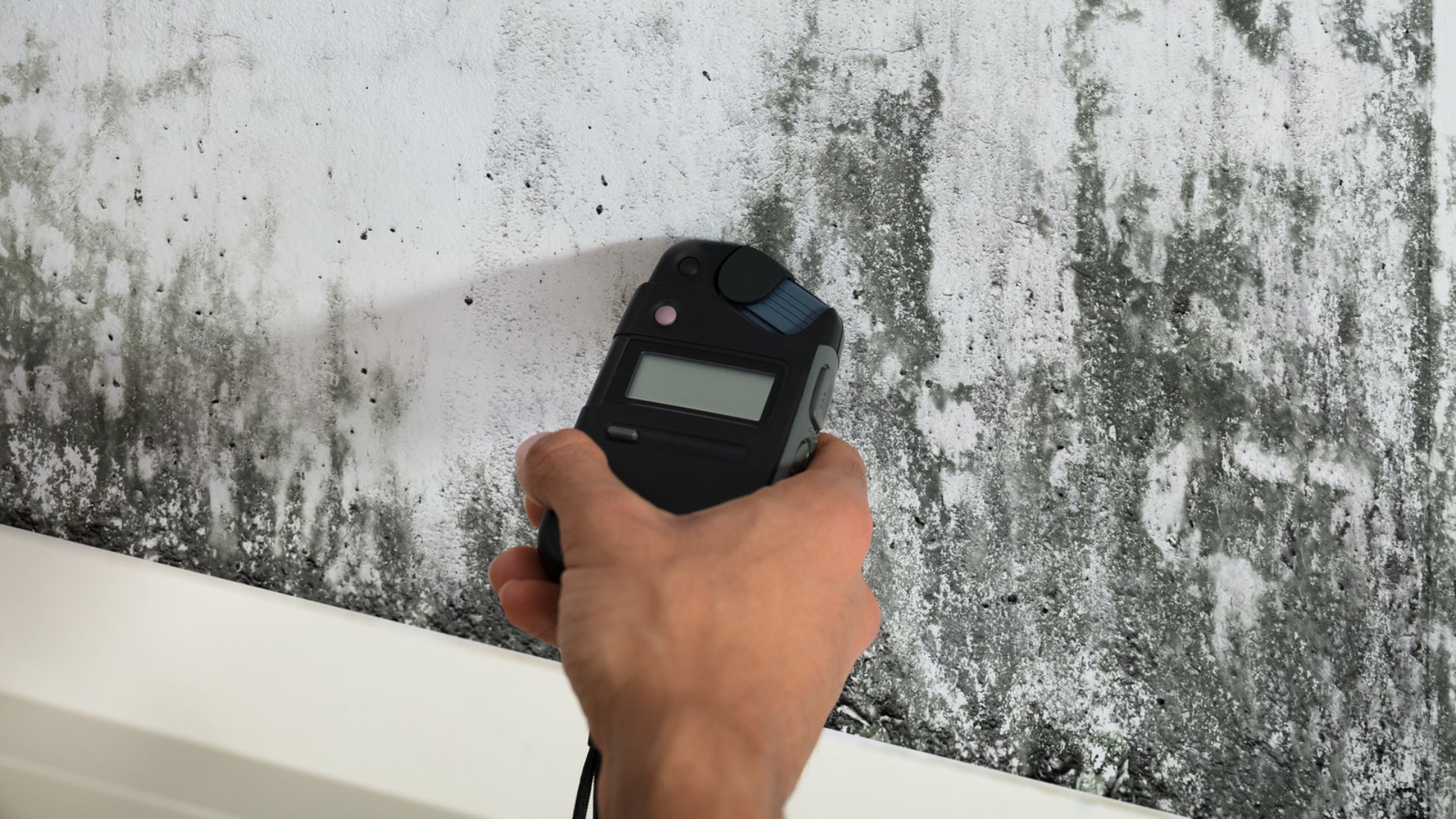
Paint and drywall discoloration often appear first. Fine cracks in plaster may widen, paint might bubble or peel, and drywall seams can darken around the edges. These visual indicators reveal moisture migration behind walls and beneath floors.
Musty odors in closets, basements, or behind cabinets signal microbial growth long before mold becomes visible. Humidity-laden air trapped in enclosed spaces fosters condensation on cold surfaces, accelerating decay.
A sudden spike in utility bills or the faint sound of running water when no fixture is in use often point to hidden leaks. In older LA neighborhoods, pinhole leaks in galvanized pipes are commonplace and may go undetected for months.
Warped wood floors, buckling baseboards, or loose floor tiles signal moisture intrusion beneath surface materials. Swift structural drying and moisture control, using industrial dehumidifiers and specialized fans, can arrest further damage and curb the risk of secondary mold colonization.
How to choose the right Los Angeles Water Damage Restoration provider?
Los Angeles Water Damage Restoration providers should demonstrate both technical expertise and deep familiarity with the local environment. A top-tier company combines rapid response with transparent communication through every phase of the project.
Verify IICRC Certification
Los Angeles households deserve technicians trained under the Institute of Inspection, Cleaning, and Restoration Certification (IICRC) standards. Certification ensures adherence to best practices in water extraction, structural drying, and microbial remediation. Technicians carrying IICRC credentials have proven mastery in applied structural drying and water damage restoration.
Check for Licensing and Insurance
California law mandates that any contracted work over $500 involving water damage restoration must be performed by a licensed contractor. A reputable firm will carry both general liability insurance and worker’s compensation coverage, safeguarding clients from accidents and property liability. Never proceed with service until you’ve confirmed licenses through the Contractors State License Board.
In the middle of evaluating quotes and contracts, homeowners can also explore company portfolios and policies. A trusted provider will readily share proof of licensing, bonding, and insurance. In fact, reading through a sample policy or warranty document can reveal commitment to workmanship and long-term customer satisfaction.
Read Local LA Reviews and Testimonials
Gauging community trust is vital. Search for recent—and relevant—reviews on platforms like Google, Yelp, and the Better Business Bureau. Look beyond star ratings: assess how companies handled tough situations, communication breakdowns, or scheduling hiccups. Genuine testimonials often include before-and-after photos, timeline details, and post-restoration feedback.
A homeowner might discover that past clients commend quick arrival times or seamless insurance coordination. Alternatively, negative comments about hidden fees or missed deadlines highlight areas to probe more deeply during interviews.
Assess Emergency Response Time
In Los Angeles, delays can spell irreversible damage. An ideal 24/7 restoration team mobilizes within one hour of your call, deploying water extraction trucks and drying equipment without waiting for business hours. Confirm on-call availability on weekends and holidays, and ask about standby crews during extreme weather events. Companies with multiple satellite locations across the city typically guarantee faster arrival at your specific neighborhood.
Evaluate Equipment and Technology
Top restoration specialists leverage advanced tools: thermal imaging cameras to detect concealed moisture, hygrometers to monitor drying progress, and centrifugal air movers for rapid evaporation. Ask if a provider uses EPA-registered disinfectants and EPA-approved antimicrobials to prevent mold proliferation. Cutting-edge water remediation service powered by industrial-grade dehumidifiers ensures even deeply saturated materials return to safe moisture levels.
Review Service Offerings and Pricing Transparency
A full-service firm covers every step—from initial inspection and emergency water removal to drying, sanitization, and final repairs. Beware of firms offering only extraction without addressing structural drying or mold remediation. Request a clear breakdown of fees: labor, equipment usage, materials, and any optional services. Avoid vague estimates; insist on written scopes of work that outline each task and timeline milestone.
In the middle of a busy restoration discussion, property owners often refer to sites like Los Angeles Water Damage Restoration to compare service menus and pricing models. This mid-paragraph mention can point decision-makers toward detailed company offerings without cluttering introductory or concluding remarks.
What questions should you ask a restoration company before hiring?
Even after narrowing the field, in-depth interviews are essential. Ask about recent LA-based projects, typical crew size, and their experience navigating local building codes.
- “Can you describe your approach to water extraction and structural drying?”
- “Which certifications and specialized training do your technicians hold?”
- “Do you offer direct billing to insurance, and how do you handle claims adjustments?”
- “Who will be my point of contact throughout the restoration?”
- “What warranties or post-service inspections do you provide?”
During this conversation, note how promptly representatives respond and whether they follow up with detailed proposals. Professionalism at this stage reflects commitment to customer care and project accountability.
Property owners frustrated by lackluster communication or confusing jargon often opt to Contact us for clarifications on scope, timelines, and insurance coordination. This natural mid-paragraph placement of anchor text helps streamline genuine inquiries into next steps.
How does insurance work with water damage restoration?
Many homeowners wonder if their policies will cover restoration costs. In most cases—burst pipes, storm damage, and appliance failures—standard homeowners’ insurance policies include water remediation service coverage. However, exclusions often apply to flood damage from external sources, requiring separate flood insurance.
When an approved provider handles documentation from day one, insurers receive accurate damage assessments, moisture readings, and remediation plans. Detailed reports and photos of affected areas, along with logged equipment usage, support faster claim approvals. Some reputable firms even liaise directly with adjusters, reducing paperwork burdens on homeowners.
To avoid surprises, request a sample insurance submission form and ask your insurer about deductibles, limits, and required documentation. A transparent restoration company will guide you through each step, ensuring compliance with both policy requirements and California Department of Insurance regulations.
What is the typical timeline and process for water damage cleanup?
Understanding each phase of the restoration process empowers LA residents to plan around ongoing repairs. While timelines vary based on severity, the following table summarizes a standard workflow:
| Phase | Activities | Typical Duration |
|---|---|---|
| Emergency Response | Site assessment, water extraction | 1–4 hours |
| Structural Drying | Air movers, dehumidifiers, moisture checks | 48–72 hours |
| Cleaning and Sanitization | Disinfection, mold prevention, odor removal | 1–2 days |
| Repair and Reconstruction | Drywall, flooring, paint, minor carpentry | 3–7 days |
| Final Inspection and Handover | Moisture verification, client walkthrough | 1 day |
After initial extraction, persistent moisture hidden within walls and subfloors demands specialized drying protocols. Technicians employ thermal imaging to verify that humidity levels have returned to safe thresholds. Only then can cleaning and sanitization proceed, ensuring mold spores and bacteria are eliminated before reconstruction.
How to evaluate local reviews and feedback for Los Angeles services?
In a city as vast as Los Angeles, local reputation matters more than national accolades. Start by filtering search results by neighborhood—Brentwood, Silver Lake, Culver City—to find companies with proven track records nearby. Pay attention to detailed write-ups rather than generic five-star ratings; descriptions of specific challenges, response times, and client interactions reveal real performance.
Social media platforms and community forums, like Nextdoor, often host candid discussions about water damage companies. Neighbors might warn about hidden fees or commend timely follow-up inspections. For properties in flood-prone areas of the San Fernando Valley or beachfront districts in Santa Monica, look for specialists experienced with distinct mitigation strategies tied to local soil composition and coastal humidity.
Many homeowners choose 4 Square Restoration to compare real-world outcomes. This mid-paragraph mention of the brand as an anchor highlights one reputable local provider without disrupting the narrative flow or overusing calls to action.
How to maintain your property after water damage restoration?
The restoration company’s job isn’t truly done until clients understand how to prevent recurrence. Routine maintenance includes annual plumbing inspections, gutter cleaning before winter rains, and installing water-sensing alarms beneath sinks or near water heaters. In older LA homes, upgrading to PEX piping can eliminate corrosion-prone sections and minimize future leaks.
After major structural drying, consider investing in mold-resistant drywall and moisture-blocking primers in high-risk areas like bathrooms and crawl spaces. Maintaining indoor humidity below 50% helps inhibit microbial growth, especially during LA’s humid summer nights. Annual HVAC servicing and duct cleaning further promote healthy indoor air quality.
Many companies offer preventative care packages—seasonal inspections, moisture mapping, and test cuts in concealed spaces—to catch issues before they escalate. Document each inspection in a logbook, noting equipment readings and recommendations for any follow-up work.
Conclusion
Finding a reputable 24/7 water damage company in Los Angeles hinges on thorough vetting of certifications, credentials, and local reputation. From the first signs of discoloration on ceilings to the final walkthrough after reconstruction, property owners deserve transparent pricing, swift response times, and clear communication. Companies that employ IICRC certified technicians, carry full licensing and insurance, and have proven success in flood cleanup and structural drying will deliver the most reliable outcomes.
For property damage emergencies of any scale, including flood cleanup, trusted professionals stand ready to safeguard your home and your peace of mind. Los Angeles Water Damage Restoration demands a seamless blend of technical expertise, advanced equipment, and genuine customer care. When only the best will do, turn to the specialists at 4 Square Restoration for comprehensive, around-the-clock service.
Frequently Asked Questions
What qualifications should a reputable water damage restoration company have?
A top-tier company will carry IICRC certification, hold a valid California contractor’s license, and maintain liability and workers’ compensation insurance. These credentials ensure both technical proficiency and client protection.
How quickly should a 24/7 water damage team respond in Los Angeles?
Ideally, emergency crews arrive within one hour of notification, regardless of day or time. Rapid water extraction and structural drying mitigate hidden damage and curb mold growth.
Will my homeowners’ insurance cover flood cleanup and water remediation services?
Standard policies typically cover internal water damage (e.g., burst pipes). However, flood damage from external sources often requires separate flood insurance. Always confirm coverage details with your insurer.
What is the role of IICRC certified technicians Los Angeles clients frequently mention?
Clients praise IICRC certified technicians for following ANSI/IICRC S500 standards in structural drying and microbial remediation. Their training ensures consistent, scientifically backed protocols tailored to each situation.
How can I check the reputation of local LA restoration companies?
Review platforms like Google, Yelp, and Nextdoor reveal real-world feedback—focus on detailed testimonials and response to negative reviews. The Better Business Bureau rating and licensure verification through CSLB also offer valuable insights.