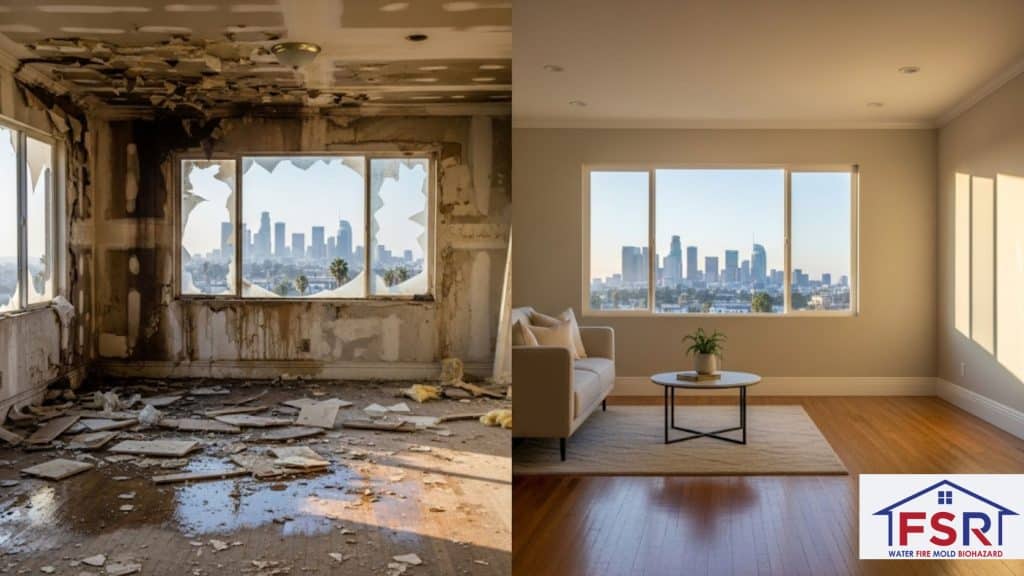

The timeline for Los Angeles Water Damage Restoration can vary widely based on the extent of damage, the type of water involved, and the responsiveness of professional teams. In a sprawling metro like Los Angeles, factors such as building materials, climate, and access to specialized equipment all influence how quickly a property can be salvaged. Homeowners and business operators often face uncertainty about when their lives will return to normal, especially after severe flooding or hidden leaks. Understanding the typical phases and variations in the process empowers property owners to set realistic expectations and plan effectively.
How long does the water damage restoration process take in Los Angeles?
When floodwater or leaks invade a home, the clock starts ticking immediately. In Los Angeles, the initial inspection and moisture assessment typically begin within 24 hours of notification, assuming rapid emergency response. Following this, water extraction and drying can take anywhere from three days to a week or more, depending on the water classification and square footage. Complete restoration—encompassing repairs, mold prevention, and final walkthrough—often extends the overall timeline to one to eight weeks for most residential properties.
Los Angeles Water Damage Restoration: Typical Timeline
Los Angeles Water Damage Restoration often follows a structured sequence of six phases designed to expedite recovery and prevent secondary damage. Each phase addresses a critical component of the repair cycle, from immediate water removal to the final quality check. By adhering to industry best practices and leveraging advanced drying technology, certified restoration professionals can compress what might otherwise be months of damage into a matter of weeks. Property owners enjoy clearer communication at every step, ensuring transparency and trust in a high-stress situation.
Inspection and Damage Assessment
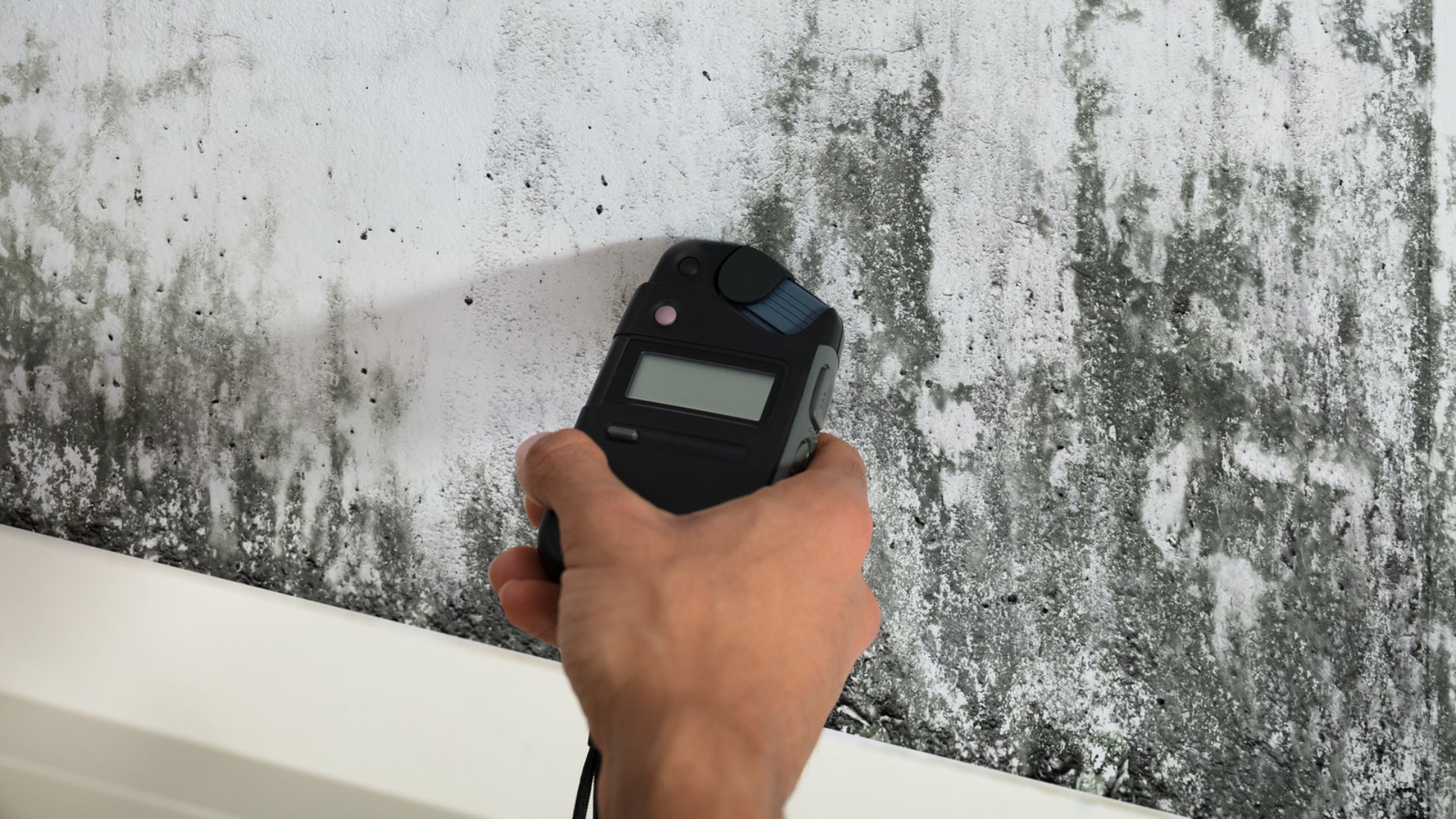
In the initial phase, certified technicians perform a thorough inspection to identify the source of water intrusion and determine the affected areas. Moisture meters and thermal imaging cameras help pinpoint hidden pockets of water behind walls, under flooring, and within crawl spaces. Accurate classification (Category 1, 2, or 3) guides the selection of appropriate equipment and safety measures. Once the assessment report is complete, a clear plan with detailed timelines and cost estimates is shared with the homeowner.
Water Extraction
Rapid water removal prevents structural weakening and inhibits microbial growth. High-powered pumps and industrial wet/dry vacuums extract standing water swiftly, reducing the volume that drying equipment must ultimately process. In Los Angeles’s warm climate, rapid extraction also curbs humidity spikes that can spread moisture into adjacent living spaces. Extraction typically takes one to three days, though larger commercial sites may require additional time.
Drying and Dehumidification
After visible water is removed, drying specialists deploy a network of air movers and dehumidifiers to draw out residual moisture. These machines create controlled airflow that accelerates evaporation from building materials, helping drywall, wood, and concrete return to safe moisture levels. Consistent monitoring ensures that drying goals—often defined as specific moisture content thresholds—are met before moving on. Most drying cycles last between three and seven days, but variable weather and humidity in Los Angeles can extend this stage.
Cleaning and Sanitization
Once dryness is confirmed, the cleanup team tackles contaminants. This phase includes antimicrobial treatments, odor neutralization, and thorough sanitation of all surfaces touched by floodwaters. Upholstery and carpet cleaning specialists may steam-clean or discard materials that have become irreparably saturated. This cleanup stage typically spans two to four days, depending on the extent of contamination and the need for specialized biohazard protocols in cases of sewage backup.
Repairs and Reconstruction
With structural and cosmetic elements dry and sanitized, the reconstruction phase can begin. Technicians repair or replace damaged drywall, flooring, cabinetry, and other fixtures. Skilled tradespeople—carpenters, electricians, and painters—restore the property to its pre-loss condition or better. Coordination with insurance adjusters is often required before work commences. Reconstruction timelines vary widely based on the scope of repairs but generally last one to four weeks.
Final Inspection and Quality Assurance
The final walkthrough ensures all restoration goals have been satisfied. Technicians verify that moisture readings remain stable, all repairs meet quality standards, and the property is free of lingering odors or stains. A detailed report documents the restored condition, providing homeowners with peace of mind and documentation for insurance purposes. This concluding step typically occurs within one to two days of reconstruction completion.
Key Factors Influencing Restoration Duration
Several variables can accelerate or prolong the restoration timeline in Los Angeles. First, the classification of water—clean, gray, or black—dictates safety protocols and disposal methods, directly affecting overall speed. Second, the area’s size and the depth of water penetration play a crucial role: a large multi-room flood will obviously take longer to dry than a single-room leak. Third, access to specialized equipment and a certified restoration team determines how quickly tasks can begin. Lastly, coordination with insurance companies and the permit process for reconstruction work can add days or weeks if documentation lags.
In mid-project updates, many homeowners find it helpful to bookmark Los Angeles Water Damage Restoration resources to stay informed on local regulations and best practices.
Expedited Restoration Services: Accelerating the Process
When time is of the essence, expedited restoration services become invaluable. Professionals offering fast-track options may work around the clock, deploying additional crews and equipment to compress drying and reconstruction schedules. Such services often include instant response agreements and priority scheduling, ensuring a team arrives within an hour of the emergency call. Though these accelerated timelines can come with a premium, they drastically reduce secondary damage and overall project duration, which often offsets additional costs.
During critical emergencies, those unsure about next steps can easily Contact us for immediate guidance and rapid deployment of support.
Preparing for Restoration and Getting Back to Normal After Flood
While restoration experts handle remediation, property owners can take preparatory steps to smooth the process. Documenting damage with photos and videos supports insurance claims and accelerates approvals. Clearing furniture and valuables from affected areas reduces labor time and minimizes the risk of accidental damage. As the cleanup progresses, families can plan alternate accommodations or temporary office setups to keep life moving forward. This proactive approach shortens downtime and eases the emotional strain of displacement.
The concept of getting back to normal after flood extends beyond structural repairs. It includes re-establishing personal routines, ensuring indoor air quality, and verifying that safety systems—smoke alarms, electrical circuits, and plumbing—function correctly. Many restoration teams offer post-project inspections or wellness checks to assess indoor environmental quality, giving residents confidence in their home’s health and safety.
The weather in Los Angeles, characterized by low humidity and mild temperatures, generally aids the water damage cleanup timeline. However, natural factors such as coastal moisture and seasonal rains should be considered when forecasting project length.
Typical Timeframes for Each Restoration Stage
| Restoration Stage | Typical Duration | Description |
|---|---|---|
| Inspection & Damage Assessment | 1 day | Property walkthrough, moisture mapping, and plan development. |
| Water Extraction | 1–3 days | Removal of standing water with high-capacity pumps and vacuums. |
| Drying & Dehumidification | 3–7 days | Use of air movers and dehumidifiers to achieve moisture targets. |
| Cleaning & Sanitization | 2–4 days | Antimicrobial treatments, odor removal, and surface cleaning. |
| Repairs & Reconstruction | 1–4 weeks | Rebuilding damaged structures, painting, and fixture installation. |
| Final Inspection & Quality Assurance | 1–2 days | Verification of restoration goals and sign-off documentation. |
Cost vs Timeline: Budgeting for Water Damage Restoration
Budgeting for water damage restoration requires transparent communication about both cost and time. While a smaller, clean-water incident may cost a few thousand dollars and wrap up in a week, a large Category 3 flood with extensive reconstruction can reach tens of thousands and span several months. Transparent restoration providers break down expenses by phase—extraction, drying, cleaning, reconstruction—allowing clients to see where time and money intersect. This clarity helps families and businesses plan financially and mentally for the recovery period.
Tips to Expedite Water Damage Cleanup Timeline
Property owners can take several steps to streamline the restoration process. First, shut off the water source immediately to prevent ongoing damage. Second, document the damage thoroughly with date-stamped photos and notes before any remediation. Third, gather all relevant insurance policy details and contact information to fast-track approvals. Fourth, clear affected spaces of personal items to allow technicians direct access. Finally, choose a certified, locally based restoration team with 24/7 availability to avoid scheduling delays and to benefit from local climate expertise.
Implementing these tips proactively can reduce the overall timeline by days or even weeks, minimizing disruption and reducing the chance of mold and structural complications.
Frequently Asked Questions
What factors most impact the duration of water damage restoration in Los Angeles?
The type of water (clean, gray, or black), square footage affected, drying conditions, and reconstruction scope all influence how long restoration takes. Coordination with insurance providers and permit approvals can add additional days.
Can the restoration process start within 24 hours after water damage occurs?
Yes. Professional teams typically aim to begin inspection and water extraction within 24 hours of notification, provided they have proper access and safety clearances.
How soon can mold remediation be completed after the initial drying phase?
Mold remediation generally starts once the drying stage confirms moisture content is below critical thresholds. This phase typically spans two to four days but can vary if hidden contamination is discovered.
Is expedited restoration services always more expensive?
Expedited services often carry a premium to cover extended crews and 24/7 operations. However, faster timelines can reduce secondary damage costs, often saving money in the long run.
How long does it take to get back to normal after flood damage?
Getting back to normal after flood involves structural repairs, air quality checks, and safety system verifications. Most residential projects wrap up in four to eight weeks, though complex commercial sites can take several months.
Conclusion
Los Angeles Water Damage Restoration projects require careful coordination of inspection, extraction, drying, cleaning, and reconstruction to ensure properties return to pre-loss condition. While typical residential timelines range from one week to eight weeks, understanding the six key phases helps homeowners anticipate each step. By leveraging industry-leading equipment, expedited restoration services, and proactive homeowner actions, recovery can proceed smoothly. For reliable, professional support in Los Angeles, trust 4 Square Restoration to restore safety, comfort, and peace of mind.