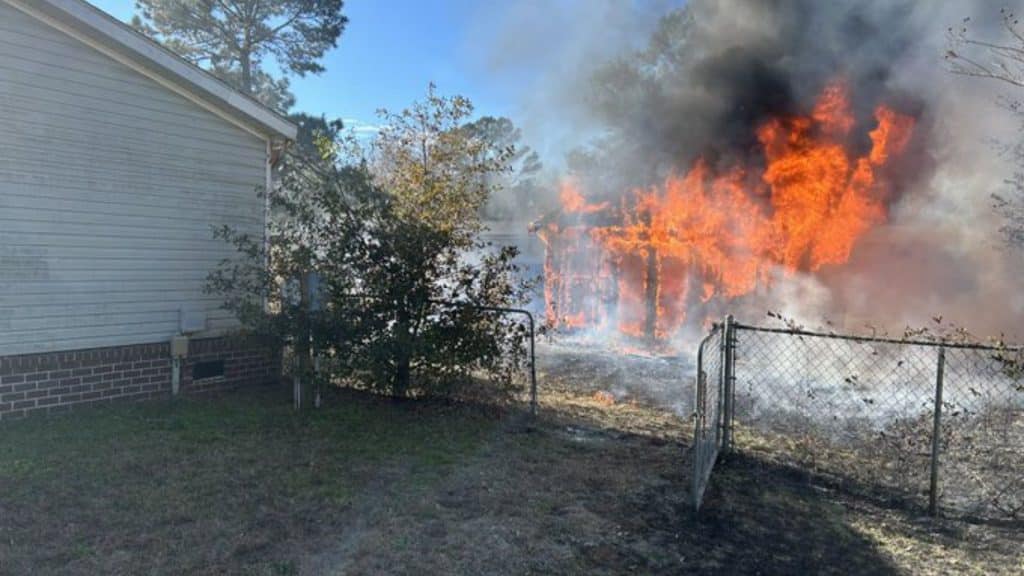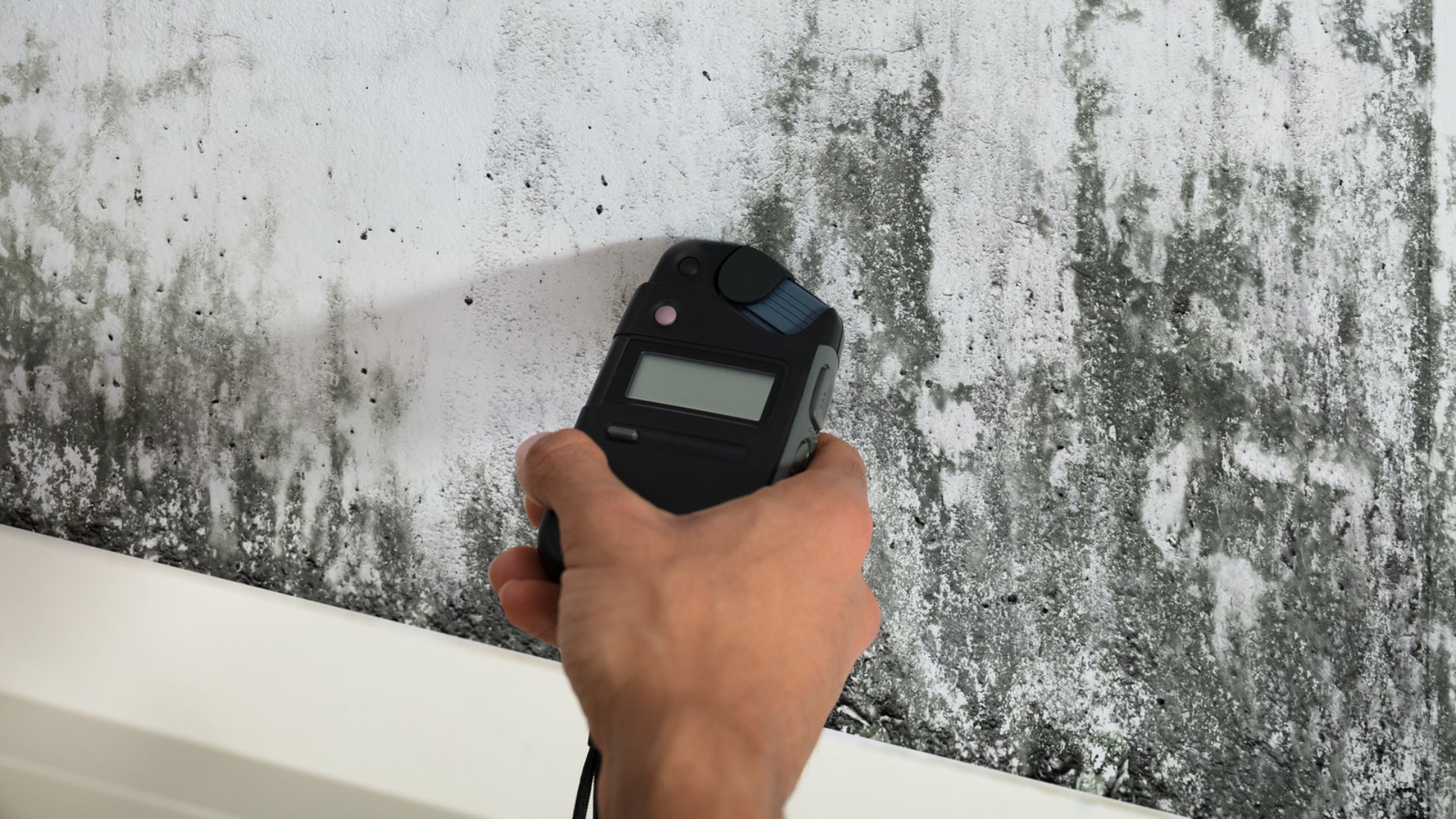

When you walk into a home after a fire, the first thing you see is blackened ceilings, blistered paint, and smoky walls. That’s when fire damage restoration Los Angeles becomes more than just a repair service, it’s the path back to normal life. Whether it’s drywall fire repair LA, ceiling soot cleanup Los Angeles, or full interior restoration after fire LA, understanding each step helps you make confident decisions for your home and family.
What happens to your walls and ceilings after a fire?
Fires don’t just burn—they transform materials. The heat weakens drywall, smoke embeds into plaster, and soot infiltrates every pore. Ceilings trap smoke and water vapor, while walls absorb moisture from firefighting efforts. Even in smaller fires, smoke travels into insulation, studs, and vents, continuing to corrode surfaces and spread odors. In Los Angeles, where structures often have wood framing and stucco finishes, restoring these elements requires specialized tools, expertise, and adherence to strict local building codes. Professionals in fire damage restoration Los Angeles start by assessing visible and hidden destruction, ensuring your property’s structure is safe before restoration begins.
Why focus specifically on walls and ceilings for fire restoration in L.A.?
Walls and ceilings take the brunt of any house fire. They show visible damage like scorch marks, bubbling paint, and cracking plaster. But beneath that surface lies weakened framing and absorbed smoke. Ceilings often suffer the most since heat and soot rise, leaving thick residue and water stains. Local experts also know Los Angeles building codes often require upgraded materials such as fire-resistant drywall and vapor barriers. These ensure your restored spaces meet modern safety standards. Smoke left behind in drywall or insulation can compromise air quality, making thorough cleanup and sealing essential for a healthy home.
What are the key steps to restore damaged walls and ceilings after a fire?
The fire damage restoration Los Angeles process involves multiple steps to ensure your home is safe, clean, and structurally sound.
Step 1: Safety inspection and documentation
Before any work begins, professionals secure the site, test for structural weakness, and document all damage for insurance purposes. This includes checking for sagging ceilings, cracked drywall, warped studs, or smoke stains.
Step 2: Removal of debris and water damage
Firefighting efforts leave behind soaked drywall and ceilings. Restoration teams remove unsalvageable materials, extract standing water, and dry affected areas with industrial dehumidifiers to prevent mold.
Step 3: Smoke and soot removal
This stage focuses on removing carbon deposits and odor. Using HEPA vacuums, dry sponges, and chemical treatments, experts handle ceiling soot cleanup Los Angeles carefully to eliminate stains and health risks. Walls are cleaned multiple times before applying odor-neutralizing treatments or sealers.
Step 4: Structural repairs and replacement
After cleanup, damaged materials are replaced. This often includes new drywall, ceiling panels, insulation, or framing. Los Angeles contractors may recommend fire-rated drywall or moisture-resistant boards for added safety and durability.
Step 5: Refinishing and painting
Once repairs are complete, walls and ceilings are sanded, primed, and painted. Special smoke-seal primers prevent future discoloration or odor bleed-through. Ceilings are refinished, lighting fixtures reinstalled, and final touches restore the room’s original aesthetic.
Step 6: Final inspection and air-quality testing
Before handing back your home, restoration experts test indoor air to ensure all smoke particulates and VOCs are gone. This guarantees safety and long-term comfort for your family.
Drywall fire repair LA: what you need to know
Proper drywall repair is crucial. Fire exposure weakens gypsum cores and adhesives. Experts replace damaged sections with new fire-rated panels, inspect the studs for heat impact, and seal all seams with smoke-blocking compounds. Using a high-quality primer and paint finish is key to restoring your home’s look and preventing lingering odor. Contractors trained in drywall fire repair LA ensure no hidden residue or contamination remains behind your walls.
Ceiling soot cleanup Los Angeles: why it requires precision
Ceilings collect the most soot and smoke due to heat rising during a fire. Cleaning involves specialized dry sponges, chemical agents, and sometimes ozone or hydroxyl generators to neutralize odor. Restoration professionals remove fixtures, clean ductwork, and repaint ceilings using sealants designed for smoke damage. Proper ceiling soot cleanup Los Angeles not only improves appearance but also ensures breathable, healthy air in your home.
Local codes and challenges in Los Angeles fire restoration
Working in Los Angeles adds extra complexity. Homes here face risks from both structure fires and wildfires, meaning contractors must follow regional codes for air quality, debris disposal, and safety materials. Restoration companies often upgrade insulation, apply intumescent coatings, and install ember-resistant vents. Disposal of fire-damaged materials must comply with local environmental standards. In a city with diverse architecture from mid-century homes to modern condos, experience with L.A.-specific regulations is critical for efficient restoration.
| Item | Wall Restoration | Ceiling Restoration |
| Damage signs | Charring, soot stains, bubbled paint | Sagging drywall, smoke residue |
| Hidden issues | Soot behind walls, warped studs | Burned joists, trapped smoke |
| Cleaning method | Dry chemical sponges, HEPA vacuum | Chemical wipe, fogging |
| Replacement | Fire-rated drywall, primer seal | New panels, smoke-seal paint |
| Common upgrades | Moisture-resistant boards | Fire-resistant materials |
Homeowner tips for a smoother restoration
You play an important role in the restoration process.
- Document everything before cleanup starts.
- Keep undamaged rooms closed to prevent soot spread.
- Work closely with your insurance adjuster for approvals.
- Allow professionals full access to remove ceiling or wall panels.
- Request fire-rated materials during rebuilds for better safety.
- Don’t rush painting, odor and stain sealing must be completed first.
- Schedule a post-restoration walkthrough to ensure all repairs meet your expectations.
Frequently asked questions
Q1: Can smoke stains be painted over?
Not without sealing first. Surfaces need to be cleaned and primed with a smoke-blocking primer before applying new paint.
Q2: How long does restoration take?
Depending on damage, restoring walls and ceilings can take one to three weeks, especially if reconstruction is needed.
Q3: Will insurance cover drywall and ceiling replacement?
Most policies cover necessary repairs if damage resulted directly from the fire or suppression efforts.
Q4: Can I clean soot myself?
Minor soot can be wiped off using dry sponges, but larger jobs require professionals with safety gear and specialized cleaning agents.
Q5: What’s the best material to use for replacements?
Fire-rated Type X drywall and fire-resistant ceiling panels are the preferred materials for safety and compliance in Los Angeles.
Conclusion: Rebuilding with the right partner
After a fire, your walls and ceilings represent more than structure, they hold your memories and safety. Investing in professional fire damage restoration Los Angeles ensures every surface is restored correctly, every odor removed, and every weakness repaired. Whether you need drywall fire repair LA, ceiling soot cleanup Los Angeles, or interior restoration after fire LA, the right team makes all the difference. For expert help you can trust, contact 4 Square Restoration through our contact page. We bring experience, precision, and compassion to every restoration, helping Los Angeles homeowners rebuild stronger, cleaner, and safer than before.