
Water damage is one of the most stressful property emergencies a homeowner or business owner can face. Beyond the emotional toll, the financial uncertainty often becomes the biggest concern. People want clear answers, but pricing is rarely straightforward. In a city as large and complex as Los Angeles, costs can vary widely depending on the situation. Understanding water damage restoration Los Angeles pricing starts with knowing what factors influence the total cost and why estimates differ from one property to another. With the right information, you can prepare financially and avoid unpleasant surprises during recovery.
Los Angeles properties range from older single-family homes to modern high-rise commercial buildings. Each structure presents unique challenges when water damage occurs. A small leak in a condo may cost far less to restore than flooding in a retail space or office. This guide explains what drives restoration costs, what homeowners and businesses can expect, and how to make informed decisions when requesting estimates.
How Much Does Water Damage Restoration Usually Cost in Los Angeles?
The cost of water damage restoration in Los Angeles can range from a few thousand dollars to tens of thousands, depending on the scope of damage. Minor incidents such as small leaks may be resolved relatively affordably, while extensive flooding or contamination significantly increases costs.
Initial expenses often include inspection, water extraction, and drying. These early steps form the foundation of restoration and influence the overall price. Structural repairs, mold remediation, and material replacement add to the total.
Los Angeles labor rates, building codes, and material availability also affect pricing. Understanding these local factors helps explain why estimates may differ from other regions.
Water Damage Restoration Los Angeles Cost Breakdown Explained
Water damage restoration los angeles pricing is typically broken down into phases rather than a single flat rate. Each phase addresses a specific part of the recovery process.
The first phase is emergency response and inspection. This includes assessing damage, identifying moisture, and determining the water category. Accurate inspection prevents unnecessary work later.
Next comes water extraction and drying. Equipment usage, duration, and affected square footage heavily influence costs. Finally, repairs and reconstruction account for the largest portion of many restoration bills.
What Factors Influence Water Restoration Pricing LA?
Several key factors determine water restoration pricing LA property owners receive. No two properties are exactly alike, which is why estimates vary.
The amount of water involved is one of the biggest factors. A small leak localized to one room costs far less than water spreading across multiple floors.
The duration of exposure also matters. Water that sits longer penetrates deeper, increasing drying time and material replacement needs.
Material type plays a role as well. Hardwood floors, cabinetry, drywall, and insulation all respond differently to moisture and have different replacement costs.
Does the Type of Water Affect Restoration Costs?
Yes, the category of water directly impacts cost. Clean water from supply lines is the least expensive to restore.
Gray water from appliances or sinks requires additional cleaning and sanitation. This adds labor and material costs.
Black water from sewage or flooding is the most expensive. Specialized safety measures, disposal, and disinfection are required to protect health.
Los Angeles properties affected by flooding often fall into higher-cost categories due to contamination risks.
Average Cost to Repair Flooded Property in Los Angeles
The cost to repair flooded property varies widely depending on severity. Minor flooding affecting one room may cost several thousand dollars.
More extensive flooding involving multiple rooms, electrical systems, or structural components can reach tens of thousands. Commercial properties often face higher costs due to scale and complexity.
Flood repairs typically include water removal, drying, sanitizing, and rebuilding. Each step adds to the total investment required to restore the property safely.
How Drying and Dehumidification Impact Costs
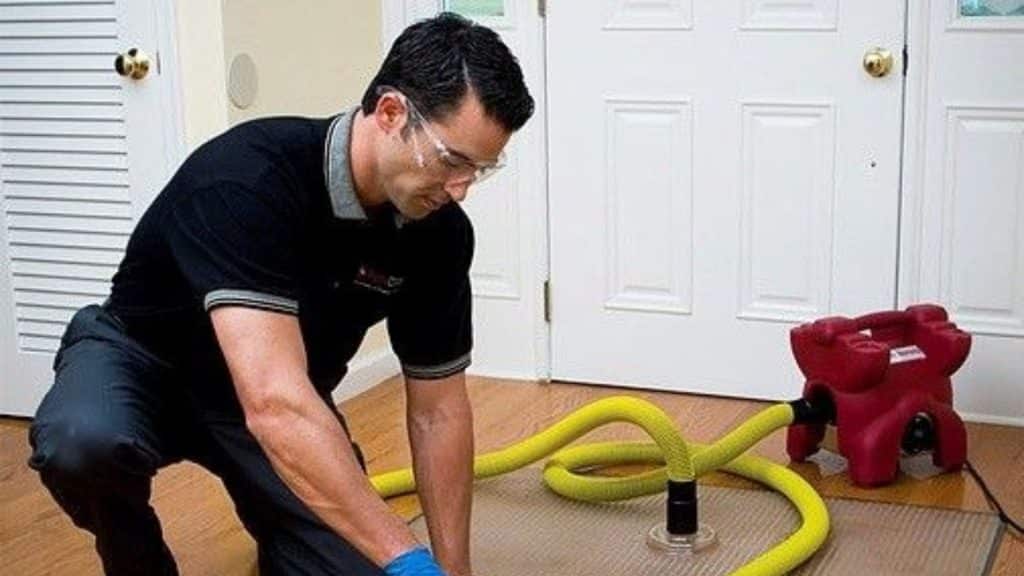
Drying is a critical and often misunderstood cost component. Industrial air movers and dehumidifiers are used continuously for several days.
Equipment rental, electricity usage, and monitoring all contribute to cost. Larger spaces or heavily saturated materials require more equipment and time.
Skipping or rushing drying leads to mold and structural issues, which ultimately increases long-term expenses.
Mold Remediation Costs After Water Damage
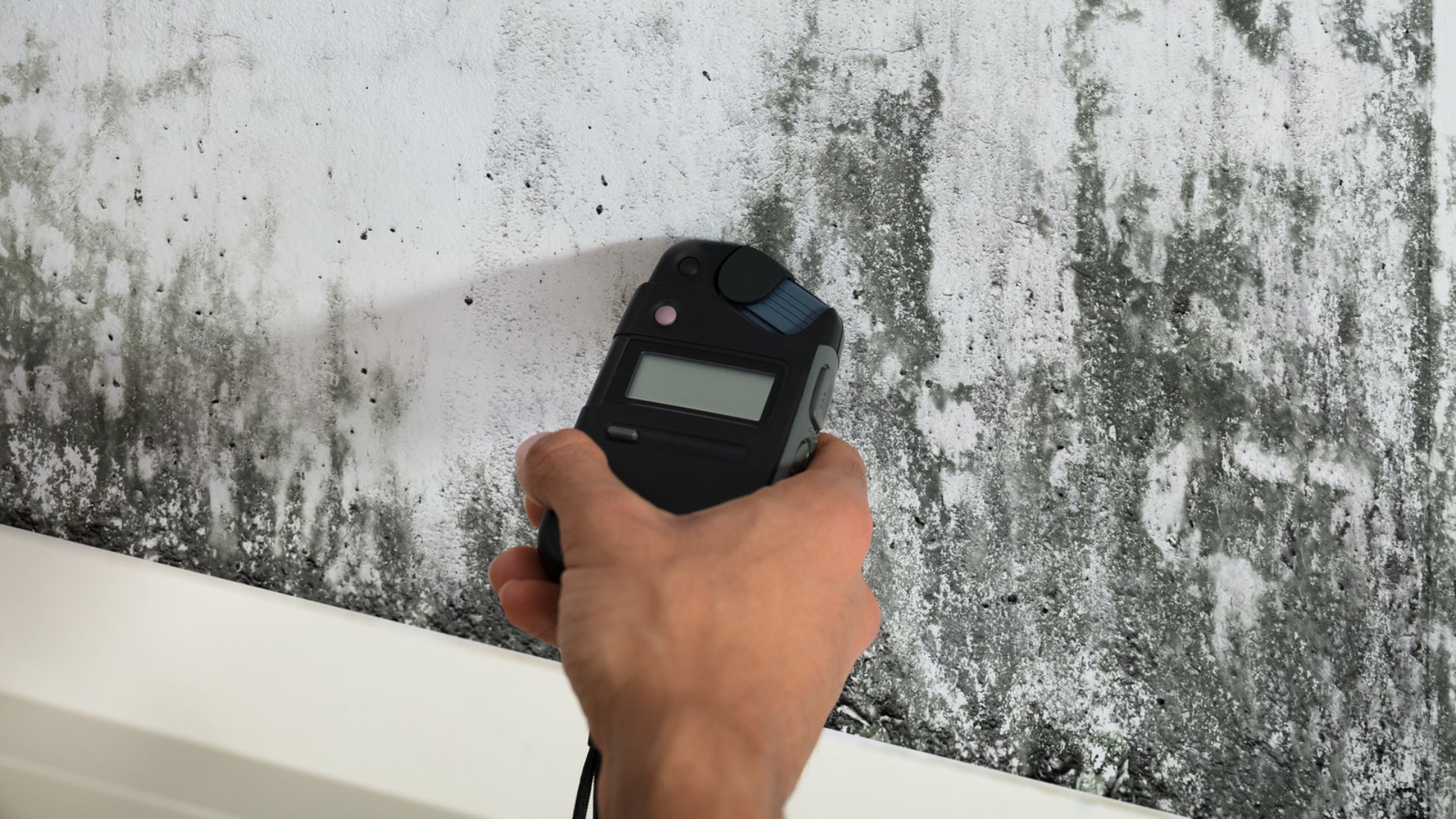
Mold remediation significantly affects restoration pricing when mold is present or likely to develop. Mold growth requires containment, removal, and air filtration.
Costs depend on the size of the affected area and the extent of contamination. Hidden mold behind walls or under floors increases labor and time.
In Los Angeles, warm temperatures and humidity accelerate mold growth, making early intervention essential to control costs.
Structural Repairs and Reconstruction Expenses
Once drying and cleaning are complete, reconstruction begins. This phase often represents the largest portion of the bill.
Drywall replacement, flooring installation, cabinet repair, and painting all add to costs. Structural repairs involving framing or subfloors increase expenses further.
Permits and inspections required by Los Angeles building codes may also affect timelines and pricing.
Commercial Water Damage Restoration Costs
Commercial restoration tends to be more expensive than residential projects. Larger spaces require more equipment and labor.
Businesses often have specialized materials, inventory, and equipment that require careful handling. Downtime also adds indirect costs.
Retail stores, offices, and restaurants each face unique challenges that influence restoration estimates.
How Insurance Coverage Affects Out-of-Pocket Costs
Insurance plays a major role in determining what you pay out of pocket. Many policies cover sudden water damage events.
However, coverage varies based on cause. Gradual leaks or flooding may not be covered without specific endorsements.
Working with restoration professionals who understand insurance documentation helps streamline claims and reduce delays.
Understanding Los Angeles Restoration Estimates
Los Angeles restoration estimates are based on detailed assessments rather than guesswork. Moisture readings, material evaluations, and scope documentation guide pricing.
Transparent estimates break down costs by phase. This clarity helps property owners understand where money is being spent.
Comparing estimates should involve more than just total price. Scope, equipment, and experience matter.
Hidden Costs Homeowners Often Overlook
Some costs are not immediately obvious. Temporary relocation during restoration adds living expenses.
Utility bills may increase due to drying equipment. Landscaping or exterior repairs may also be needed after flooding.
Planning for these indirect costs reduces financial stress during recovery.
Why Cheap Restoration Can Become Expensive Later
Low initial bids may skip critical steps. Inadequate drying or inspection leads to hidden moisture.
Mold growth or structural damage discovered later requires additional remediation. This often costs more than proper restoration initially would have.
Quality restoration focuses on long-term safety and durability rather than short-term savings.
How Location Within Los Angeles Affects Pricing
Los Angeles is a large and diverse city. Location affects labor rates, accessibility, and permit requirements.
High-rise buildings present logistical challenges that increase costs. Limited parking and access add time.
Older neighborhoods may require additional care due to aging infrastructure and materials.
When to Request a Professional Cost Assessment
Any time water affects walls, floors, or ceilings, professional assessment is recommended. Hidden damage is common.
Early evaluation prevents underestimating costs and scope. It also supports insurance claims with accurate documentation.
Many property owners begin by contacting our water damage restoration team to understand expected costs and next steps.
Typical Cost Ranges for Water Damage Restoration
| Severity Level | Typical Cost Range |
| Minor localized damage | $2,000 to $5,000 |
| Moderate multi-room damage | $5,000 to $15,000 |
| Severe flooding or contamination | $15,000 and up |
How Long-Term Value Impacts Cost Decisions
Restoration is an investment in your property. Cutting corners compromises safety and value.
Proper restoration protects structural integrity and indoor air quality. It also preserves resale value.
Viewing costs through a long-term lens helps justify quality work.
Frequently Asked Questions
How much does water damage restoration cost in Los Angeles?
Costs range from a few thousand dollars for minor damage to tens of thousands for severe flooding.
Why do restoration estimates vary so much?
Estimates depend on water type, damage extent, materials affected, and drying time.
Does insurance cover water damage restoration?
Coverage depends on the cause. Sudden events are often covered, while gradual leaks may not be.
Is mold remediation always required?
Not always, but it is necessary if mold is present or moisture remains too long.
Can delaying restoration increase costs?
Yes, delays allow damage to worsen, leading to higher repair and remediation expenses.
Conclusion
Water damage restoration costs in Los Angeles depend on many factors, from water type and damage severity to building structure and response time. While pricing can feel overwhelming, understanding what drives costs empowers homeowners and business owners to make informed decisions. Investing in proper assessment, drying, and repairs protects both property value and occupant health. Water damage restoration Los Angeles services are most effective when approached with transparency and expertise. When professional guidance matters most, 4 Square Restoration provides reliable solutions tailored to Los Angeles properties and their unique challenges.