
Discovering water damage is stressful, but one of the first questions homeowners and property managers ask is how long recovery will actually take. In a fast-paced city like Los Angeles, timelines matter because families, businesses, and tenants want to return to normal as quickly as possible. The truth is that water damage restoration Los Angeles projects do not follow a one-size-fits-all schedule. Every situation is shaped by the source of the water, how long it sat before cleanup began, and how deeply it affected the structure. Understanding realistic timelines helps set expectations, reduces frustration, and allows you to make informed decisions during a difficult moment.
Water damage can feel deceptive at first. What looks like a small leak on the surface may hide moisture behind walls, under flooring, or inside insulation. Los Angeles properties often use materials that absorb water quickly, which can extend drying and repair phases. This guide breaks down each stage of the restoration process, explains what affects duration, and helps you understand how long recovery may truly take.
How Long Does Water Damage Restoration Usually Take in Los Angeles?
Most homeowners want a clear answer, but restoration timelines depend on several variables. In general, minor water damage can be addressed in a few days, while severe flooding may require several weeks.
The initial phase focuses on water removal and drying. This typically takes three to seven days depending on moisture levels and airflow. Structural repairs, if needed, add additional time.
In Los Angeles, restoration teams also consider humidity, temperature, and building layout. These factors directly influence how quickly materials dry and when repairs can safely begin.
Water Damage Restoration Los Angeles Timeline Explained Step by Step
Water damage restoration Los Angeles projects follow a structured process designed to prevent long-term problems. Each phase builds on the previous one, and skipping steps can significantly extend recovery time later.
The first stage is assessment and inspection. Professionals identify the water source, measure moisture levels, and determine the category of water involved. This step may take a few hours but is essential for accuracy.
Next comes water extraction. Standing water is removed using industrial pumps and vacuums. Faster extraction shortens the overall timeline by reducing saturation.
Drying and dehumidification follow. This is often the longest phase and can last several days. Once drying goals are met, cleaning, sanitizing, and repairs begin.
What Factors Affect the Water Damage Drying Timeline?
The water damage drying timeline varies widely depending on several interconnected elements. Understanding these factors helps explain why two homes with similar damage may recover at different speeds.
The amount of water involved is a major factor. A slow leak from a pipe causes less saturation than a burst pipe or flood event.
The duration of exposure also matters. Water left untreated for days penetrates deeper into materials, requiring longer drying times.
Material type plays a role as well. Hardwood floors, drywall, and insulation absorb water differently. Porous materials typically take longer to dry and may need replacement.
Does the Type of Water Change Restoration Duration?
Yes, the category of water significantly impacts how long restoration takes. Clean water from supply lines is easier and faster to address.
Gray water from appliances or sinks contains contaminants that require additional cleaning. This adds time to the process due to sanitation requirements.
Black water from sewage or flooding is the most complex. Specialized safety protocols, removal of affected materials, and thorough disinfection can extend timelines considerably.
In Los Angeles, flood-related incidents often fall into higher contamination categories, making professional handling essential.
How Long Does Drying Alone Take After Water Damage?
Drying is often misunderstood as a quick step, but it requires precision and patience. Most drying phases last three to five days under normal conditions.
High-powered air movers circulate air across wet surfaces, while dehumidifiers pull moisture from the air. Moisture levels are monitored daily to ensure progress.
Hidden moisture can slow drying. Water trapped behind walls or under floors may require targeted techniques, increasing the timeline.
Rushing this phase can lead to mold growth or structural issues later, which ultimately prolongs recovery.
Los Angeles Restoration Process Duration for Structural Repairs
Once drying is complete, repairs begin. The Los Angeles restoration process duration varies depending on damage severity and material availability.
Minor repairs such as drywall patching or baseboard replacement may take a few days. Flooring replacement or cabinet repairs can take one to two weeks.
Structural repairs involving framing or subfloors require more time and inspections. Permits may also be needed, which can extend timelines in Los Angeles.
Coordinating repairs efficiently helps minimize disruption and ensures long-term durability.
How Mold Risk Impacts Restoration Time
Mold prevention is a critical reason restoration timelines cannot be rushed. Mold can begin growing within 24 to 48 hours of water exposure.
If mold is discovered, remediation adds extra steps. Containment, air filtration, and removal of affected materials increase the project duration.
Testing and clearance may be required before reconstruction begins. While this adds time, it protects indoor air quality and occupant health.
Addressing mold properly prevents future delays and costly rework.
Recovery Time for Flooded Homes in Los Angeles
Recovery time for flooded homes is typically longer than for localized leaks. Floodwater affects multiple rooms and often includes contaminants.
Initial water removal may take longer due to volume. Drying large areas evenly requires careful equipment placement and monitoring.
Flood damage often impacts electrical systems, HVAC units, and foundations. Repairs in these areas require specialized contractors and inspections.
Homeowners should expect recovery timelines ranging from several weeks to over a month for severe flooding cases.
How Insurance Claims Can Influence Restoration Speed
Insurance involvement can affect how quickly restoration progresses. Prompt communication helps avoid unnecessary delays.
Documentation is essential. Photos, moisture reports, and repair estimates support claim approval.
Adjuster inspections may temporarily pause work until authorization is received. Experienced restoration teams help coordinate this process smoothly.
Staying organized and responsive keeps projects moving forward.
Can You Stay in Your Home During Restoration?
Whether you can remain in your home depends on damage extent and safety conditions. Minor damage may allow occupancy.
Drying equipment is loud and increases indoor heat. Some homeowners choose temporary relocation for comfort.
Contaminated water or mold cases often require vacating affected areas. Safety always comes first.
Discussing expectations early helps you plan accordingly.
How Professional Equipment Reduces Restoration Time
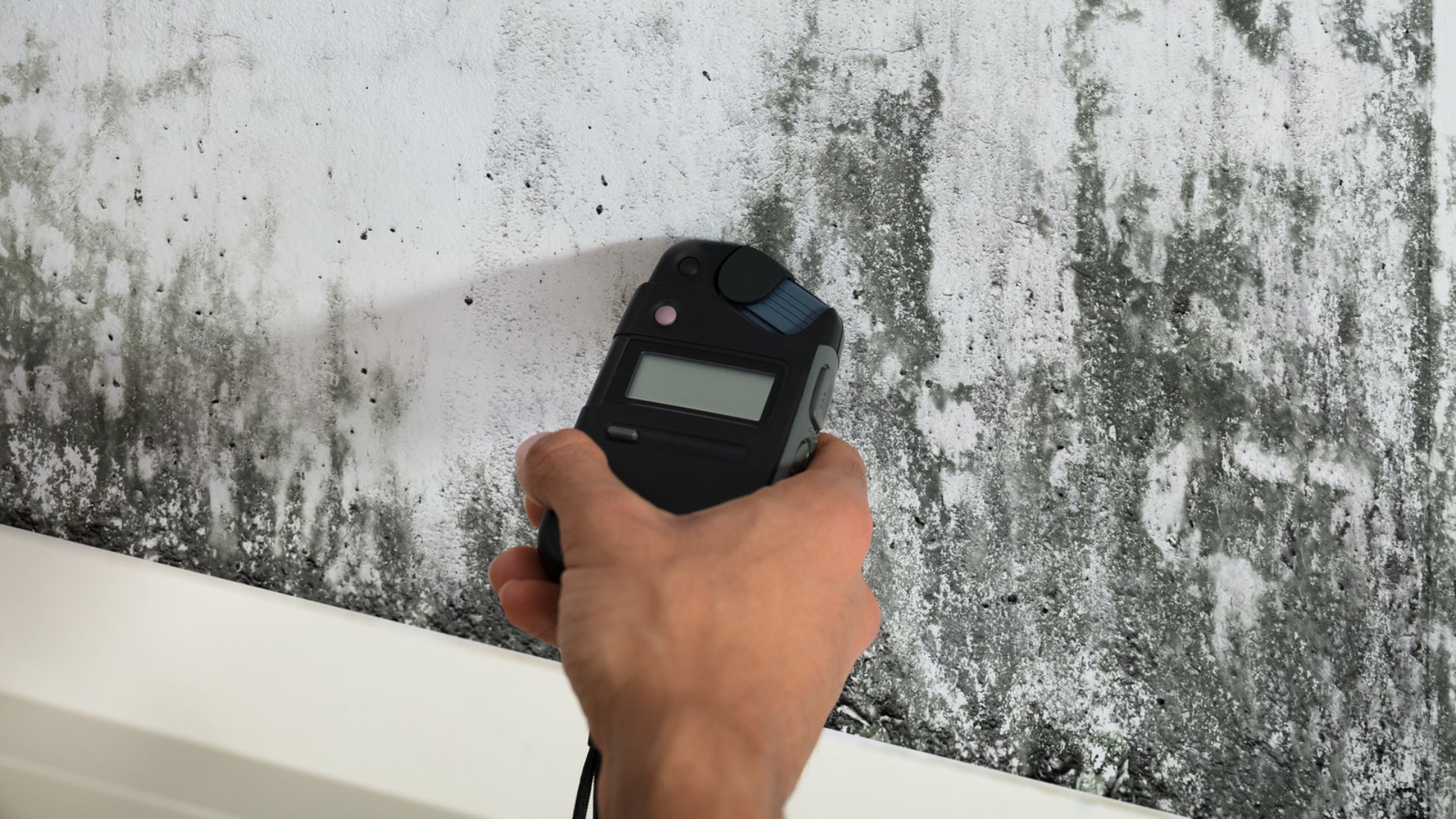
Advanced equipment plays a major role in shortening timelines. Moisture meters and thermal imaging identify hidden water quickly.
Industrial dehumidifiers remove moisture more efficiently than household units. This speeds up drying without damaging materials.
Air filtration devices improve indoor air quality during work. Cleaner air supports healthier and faster recovery.
Proper equipment ensures thorough results without unnecessary delays.
When Delays Are a Sign of Proper Restoration
Longer timelines are not always a bad sign. Thorough drying and inspection prevent future problems.
Hidden moisture must be addressed fully before repairs begin. Skipping this step leads to mold or structural damage later.
Quality restoration prioritizes long-term safety over speed. Patience during early phases often saves time overall.
Understanding this perspective reduces frustration during the process.
Choosing the Right Restoration Team in Los Angeles
Experience and responsiveness directly affect how long restoration takes. Local knowledge matters in Los Angeles due to building styles and regulations.
A qualified team provides clear timelines, daily updates, and transparent communication.
Early consultation helps set realistic expectations. Many homeowners begin by reaching out through contact our water damage restoration team to understand scope and next steps.
Choosing professionals early often shortens the total recovery period.
Preventing Future Water Damage Delays
Prevention reduces the likelihood of future disruptions. Regular plumbing inspections catch leaks early.
Maintaining roofs and gutters helps prevent rain-related damage. Appliance hoses should be replaced proactively.
Water detection systems provide early alerts, allowing faster response and shorter restoration timelines.
Preparedness saves time, money, and stress.
Frequently Asked Questions
How long does water damage restoration usually take?
Most projects take one to two weeks, but severe flooding can extend recovery to a month or more.
What is the average water damage drying timeline?
Drying typically takes three to seven days depending on moisture levels and material type.
Does insurance speed up or slow down restoration?
Insurance can slow early stages if approvals are delayed, but proper documentation helps keep things moving.
Can restoration be rushed to finish sooner?
Rushing drying or repairs increases mold and structural risks. Proper pacing ensures lasting results.
Is recovery time for flooded homes longer than leaks?
Yes, flooded homes require more extensive drying, cleaning, and repairs.
Conclusion
So how long does restoration really take? The answer depends on damage severity, water type, and how quickly action begins. While some cases resolve in days, others require weeks of careful drying and repair. Understanding the process helps homeowners stay patient and informed. Water damage restoration Los Angeles projects demand precision, experience, and the right equipment to ensure safe recovery. With professional guidance and timely response, the disruption can be minimized and your property restored properly. When expert support matters, 4 Square Restoration is equipped to manage each phase efficiently and responsibly.