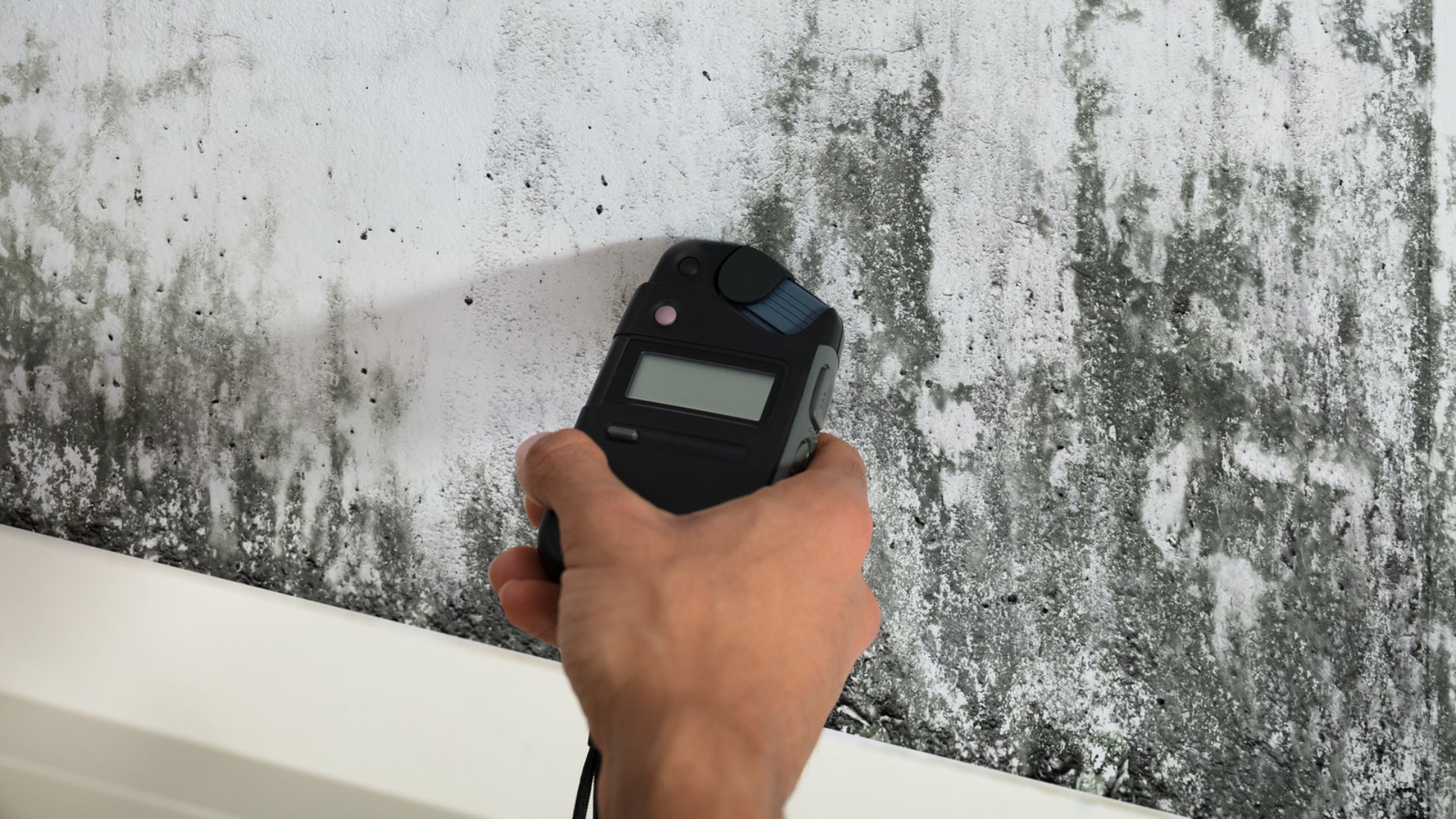

Homeowners in Southern California face unique challenges when it comes to indoor air quality, and finding mold in your property can be a stressful and expensive discovery. In 2026, the average cost for professional mold remediation in Los Angeles typically ranges from $2,200 to $2,485 for standard residential projects, though specialized cases or large-scale infestations can easily climb to $7,500 or more. Because the City of Angels features a mix of historic bungalows in Echo Park and modern coastal estates in Pacific Palisades, the final price depends heavily on the accessibility of the growth and the underlying moisture source. Direct answers are essential when your home’s structural integrity is at risk: expect to pay between $10 and $25 per square foot for professional removal, with additional costs for laboratory testing and reconstruction.
Is mold remediation worth the money?
Professional remediation is almost always worth the investment because it addresses the root cause of the moisture problem rather than just cleaning the surface. In Los Angeles, where older plumbing in the Wilshire Corridor or high humidity near the Santa Monica Pier can trigger rapid fungal growth, a “DIY” bleach scrub often fails to kill spores deeply embedded in porous materials like drywall or subflooring.
The value of professional service lies in containment and air filtration. Specialists use high-efficiency particulate air (HEPA) scrubbers and negative air pressure machines to ensure that while they are removing the visible colony, they aren’t accidentally cross-contaminating your entire living room or HVAC system. Given the high property values in neighborhoods like Beverly Hills and Silver Lake, a certified clearance report is also a vital asset for maintaining your home’s resale value.
What is the average mold removal price LA residents can expect?
The average mold removal price LA homeowners encounter depends largely on the “class” of the water damage and the “category” of the mold. For a localized area of about 100 square feet, such as a laundry room in Culver City or a small bathroom in Koreatown, you should budget between $1,200 and $3,500. This includes labor, specialized equipment like industrial dehumidifiers, and the disposal of hazardous materials.
When dealing with mold remediation in Los Angeles, prices fluctuate based on the specific requirements of California’s strict environmental regulations. If the mold has infiltrated your air ducts or furnace system, the complexity of the job increases, often pushing the bill into the $4,000 to $6,000 range. For those living in the more densely populated areas of Downtown LA, logistical factors like parking for large service vans and high-rise access can also add a small premium to the standard labor rates.
What factors influence the cost of mold remediation in Los Angeles?
Several specific variables dictate the final invoice of a remediation project in the Southland. Since no two homes in the San Fernando Valley or the South Bay are identical, contractors evaluate the following:
- Total Square Footage: Most companies charge by the size of the affected area, with rates typically falling between $10 and $25 per square foot.
- Accessibility: Mold hidden behind the built-in cabinetry of a kitchen in Hancock Park or inside a cramped crawl space in a Glendale hillside home will cost more to remove than mold on an open ceiling.
- Type of Mold: While the process for removing “black mold” (Stachybotrys chartarum) is similar to other types, the increased safety protocols and personal protective equipment (PPE) required for toxic strains can increase costs.
- Source of Moisture: If a pipe bursts in your West Hollywood condo, the plumbing repair is a separate expense from the actual mold removal.
- State of Building Materials: Porous materials like insulation and carpet usually cannot be saved and must be replaced, adding to the material costs.
How much does a mold inspection cost in California?
Before the remediation begins, a thorough assessment is required to map the moisture levels and spore counts in your home. A professional mold inspection cost in California generally falls between $300 and $1,043, with a statewide average of approximately $670. In the Los Angeles metro area, many homeowners opt for a comprehensive inspection that includes infrared thermal imaging to find leaks hidden behind walls without performing invasive demolition.
Standard inspections in neighborhoods like Northridge or Pasadena typically include:
- Visual Assessment: A certified inspector looks for signs of water intrusion and fungal growth.
- Moisture Mapping: Using moisture meters to find damp spots in drywall or flooring.
- Air Sampling: Comparing indoor spore counts to outdoor baseline levels to see if there is an active interior source.
- Surface Sampling: Swab or tape-lift tests to identify the specific species of mold present.
If you are currently experiencing a musty odor or have visible spotting, reaching out for professional advice is the first step toward a healthy home. You can start by Contacting Us to discuss your specific situation with a specialist.
2026 Pricing Breakdown by Location in the Home
| Location of Mold | Estimated Cost Range (Low) | Estimated Cost Range (High) |
| Bathroom (Surface) | $500 | $1,500 |
| Attic | $1,500 | $4,500 |
| Basement / Crawl Space | $1,500 | $3,500 |
| HVAC / Air Ducts | $3,000 | $7,000 |
| Whole House (Flood Damage) | $15,000 | $30,000+ |
Attic Remediation Costs
In the Los Angeles area, attic mold is often caused by roof leaks or poor ventilation during the rare but heavy winter rains. Because attics are difficult to navigate and often contain thick insulation, removing mold from these spaces typically costs between $1,500 and $4,500. If the mold has heavily saturated the wooden rafters or plywood sheathing, dry ice blasting may be required to clean the wood without damaging the structure.
Bathroom and Kitchen Costs
Bathrooms are the most common site for mold growth in LA apartments and homes. A small patch of surface mold around a tub in Long Beach might only cost $500 to $1,000 to treat. However, if a leak has gone unnoticed behind a vanity or shower tile for months, the cost can quickly escalate to $5,000 because of the need for demolition and reconstruction of the wet areas.
Effective project management is key to keeping these costs under control. Having a clear line of communication with your restoration team ensures that there are no surprises when it comes to the final invoice or the scope of the demolition required.
HVAC and Ductwork Costs
The most expensive type of remediation usually involves your central air conditioning and heating system. If spores are discovered inside the ductwork of a home in Encino or Sherman Oaks, they can be blown into every room of the house. Cleaning these systems requires specialized vacuum equipment and antimicrobial fogging, with costs usually starting at $3,000 and going as high as $10,000 for large multi-zone systems.
Why is mold remediation in Los Angeles more expensive than in other areas?
The cost of living in Southern California plays a significant role in the pricing of specialized trades. Labor rates in the Los Angeles-Long Beach-Anaheim metro area are consistently higher than national averages due to the high costs of insurance, licensing, and fuel. Furthermore, California has some of the strictest disposal laws in the country regarding hazardous waste.
When a contractor performs mold remediation in Los Angeles, they must factor in the cost of transporting contaminated materials to specialized facilities. Landmarks like the Port of Los Angeles and the surrounding industrial zones have specific regulations for how bio-contaminants are handled. These “soft costs” are built into your estimate to ensure the job is done legally and safely, protecting you from future liability or fines.
Steps to Take Before the Remediation Crew Arrives
If you have already confirmed the presence of mold, there are a few things you can do to prevent the problem from worsening while you wait for your scheduled appointment:
- Stop the Leak: If the mold is caused by a plumbing issue, shut off the water source immediately.
- Turn Off the AC: To prevent spores from traveling through your vents, turn off your HVAC system in the affected area.
- Seal the Area: Close doors to the room where mold is present, but do not use fans, as this will spread the spores.
- Take Photos: Document the damage for your insurance claim, but do not touch or disturb the mold colonies.
Navigating the insurance claim process for mold can be tricky, as many policies have “mold riders” that limit coverage. It is helpful to speak with a professional who understands the local insurance landscape. This ensures your documentation is thorough and matches the specific requirements that California adjusters look for when evaluating water-related property damage.
Frequently Asked Questions
Does home insurance cover mold remediation in Los Angeles?
Coverage depends entirely on the cause of the mold. Most standard policies in California will cover mold remediation if it is a result of a “sudden and accidental” event, such as a pipe bursting in a Van Nuys kitchen. However, if the mold is caused by long-term neglect, high humidity, or a slow roof leak, insurance companies often deny the claim or limit the payout to a small cap, usually around $5,000.
How long does the mold remediation process usually take?
For a standard residential project in a neighborhood like Hollywood or Studio City, the process usually takes between 3 to 5 days. The first day is for setup and containment, followed by the actual removal of materials, and finally, a 24 to 48-hour period for air scrubbing and dehumidification. If clearance testing is required, add another 24 hours for lab results.
Can I stay in my home during mold remediation?
If the mold is confined to a single room that can be fully sealed with plastic sheeting (containment), you can usually stay in the home. However, if the mold is in the kitchen, the only bathroom, or the HVAC system, it is often recommended that you relocate for a few days. The noise from the air scrubbers and the lack of access to essential facilities can make staying in the home difficult.
Is black mold more expensive to remove?
The species of mold doesn’t usually change the price of the labor, but it does change the safety requirements. If an inspection confirms toxic black mold (Stachybotrys), the remediation team must use more rigorous containment and higher-grade PPE. This can lead to a 10% to 20% increase in the total project cost compared to common “nuisance” molds like Cladosporium or Penicillium.
What is the difference between mold removal and mold remediation?
“Removal” literally refers to the act of taking the mold out of the house. “Remediation” is a more comprehensive process that includes identifying the moisture source, containing the area to protect air quality, removing the mold, and then treating the area to prevent its return. In Los Angeles, you should always look for a remediation service to ensure the problem doesn’t simply reappear in a few months.
Conclusion
Understanding the financial commitment required for property restoration is the first step toward a safe and healthy living environment. While the cost of mold remediation in Los Angeles can be significant, the risks of ignoring the problem, including structural rot and chronic respiratory issues—are far greater. By addressing moisture issues quickly and hiring certified professionals who understand the unique architecture and climate of the Southland, you can protect your investment and your family.
For those seeking a reliable and highly-rated solution, 4 Square Restoration stands as a trusted local service provider in the Greater Los Angeles area. We specialize in navigating the complexities of local building codes and insurance requirements to provide a seamless restoration experience. Whether you are dealing with a small leak in a Santa Monica condo or a large-scale project in the Valley, our team provides the authoritative expertise needed to solve your mold problems permanently.