
Discovering water damage in your home or business can be overwhelming, especially in a city like Los Angeles where plumbing systems, aging infrastructure, wild weather shifts, and seismic activity increase the risk of sudden water intrusion. Whether the damage comes from a burst pipe, appliance failure, roof leak, or flash flooding, the first actions you take can significantly impact the severity of the damage and the overall restoration cost. Understanding water damage restoration Los Angeles homeowners rely on begins with knowing what to do in those first critical moments. Acting quickly not only protects your property but also helps prevent long-term issues such as mold growth, structural weakening, and health hazards.
Water damage does not always look dramatic at first glance. Sometimes it starts as damp drywall, warped flooring, or a musty odor that slowly worsens. In Los Angeles homes, where materials like drywall, hardwood, and insulation are common, moisture spreads fast. This guide walks you through immediate steps after water damage, explains emergency response expectations, and helps you understand when professional help becomes essential.
What Should You Do Immediately After Discovering Water Damage?
The first moments after discovering water damage are critical. Acting quickly and methodically can minimize destruction and reduce health risks.
Start by identifying the source of the water if it is safe to do so. Common sources include broken pipes, overflowing appliances, roof leaks, or sewage backups. Once identified, stop the water at its source. This may involve shutting off the main water valve or unplugging appliances.
Next, ensure safety by turning off electricity in affected areas. Water and electricity together pose serious risks, especially in basements, kitchens, or laundry rooms. Avoid walking through standing water if electrical outlets or cords are nearby.
After securing safety, begin documenting the damage. Take clear photos and videos of affected areas, including walls, ceilings, floors, and furniture. This documentation is essential for insurance claims and professional assessments later.
Why Is Water Damage Restoration Los Angeles Homeowners Trust So Time-Sensitive?
Water damage restoration Los Angeles services emphasize urgency because moisture damage escalates rapidly in Southern California’s climate. Even small leaks can lead to extensive issues within 24 to 48 hours.
Water seeps into porous materials like drywall, wood framing, carpets, and insulation. Once absorbed, these materials become breeding grounds for mold and bacteria. In Los Angeles, warm temperatures accelerate microbial growth, making delays especially costly.
Structural integrity can also be compromised quickly. Wood swells, metal corrodes, and concrete weakens when exposed to prolonged moisture. The longer water remains, the more invasive and expensive restoration becomes.
Acting fast reduces restoration time, limits material replacement, and protects indoor air quality. This is why emergency response services are often recommended immediately after discovery.
Immediate Steps After Water Damage to Limit Further Loss
Taking the right immediate steps after water damage can significantly reduce long-term consequences.
Begin by removing excess water if possible. Use towels, mops, or wet vacuums for small amounts. For larger flooding, professional-grade extraction is usually required.
Increase airflow to the affected area. Open windows if weather allows, and use fans to circulate air. Dehumidifiers help pull moisture from the air and materials, slowing mold growth.
Remove wet items that can be safely relocated. Furniture, rugs, and personal belongings should be moved to dry areas. Porous items that remain wet too long may become unsalvageable.
Avoid attempting deep structural drying without proper equipment. Incorrect drying can trap moisture inside walls or floors, leading to hidden mold issues later.
How Does Los Angeles Water Damage Emergency Response Work?
Los Angeles water damage emergency response teams are trained to handle urgent situations efficiently and safely.
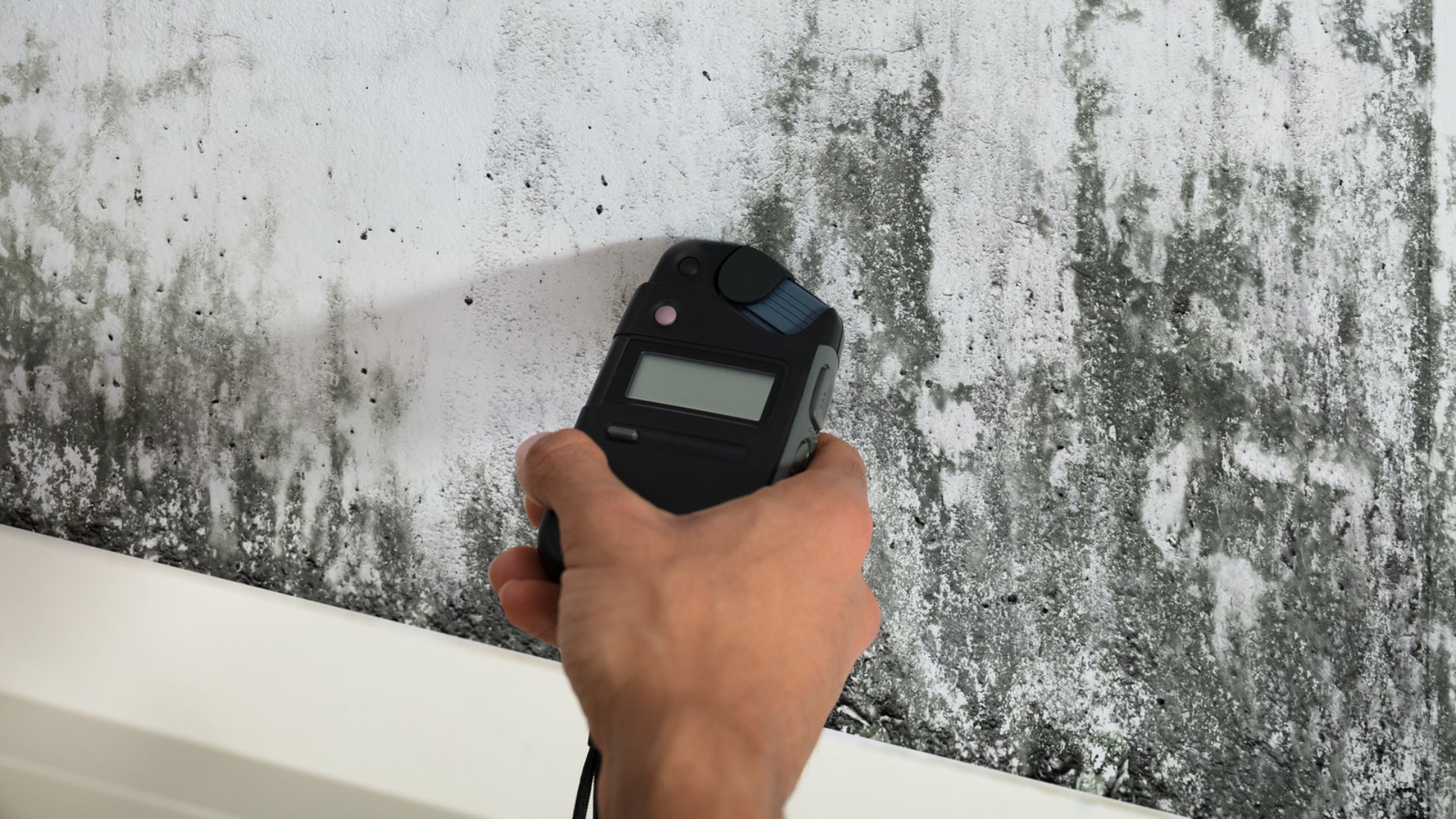
Emergency services typically begin with a thorough inspection using moisture meters and infrared cameras. These tools identify hidden water behind walls, under floors, and inside ceilings. This step is critical because visible water is often only part of the problem.
Next comes water extraction using high-powered pumps and vacuums. Rapid extraction reduces saturation and limits damage spread. Once standing water is removed, industrial dehumidifiers and air movers are strategically placed to dry the structure evenly.
Sanitization follows, especially if the water source was contaminated. This includes antimicrobial treatments to prevent mold and bacteria growth. In cases involving sewage or gray water, specialized cleaning protocols are applied to protect health.
What to Do When Home Floods in Los Angeles Neighborhoods
Knowing what to do when home floods is especially important in Los Angeles, where flash floods, heavy rains, and hillside runoff can impact residential areas.
If flooding occurs, prioritize evacuation if water levels rise rapidly or structural stability is uncertain. Personal safety should always come first.
Once safe, avoid re-entering the property until authorities or professionals confirm it is safe. Floodwaters can carry contaminants, debris, and electrical hazards.
After flooding subsides, professional assessment becomes essential. Floodwater often contains bacteria, chemicals, and debris that require specialized cleaning. DIY efforts are rarely sufficient in these scenarios.
Flood-related damage also affects foundations, crawl spaces, and landscaping. Comprehensive restoration addresses both visible damage and underlying structural concerns.
Understanding the Different Types of Water Damage
Water damage is categorized based on contamination level, which influences restoration methods.
Clean water damage comes from sources like broken supply lines or rainwater. While initially safe, clean water can become contaminated if left untreated.
Gray water damage involves water from appliances, sinks, or washing machines. This water may contain chemicals or organic matter and requires careful handling.
Black water damage is the most hazardous. It includes sewage backups, floodwater, and water from toilets. Black water exposure poses serious health risks and always requires professional remediation.
Understanding these categories helps homeowners recognize when professional intervention is not just recommended but necessary.
Why Mold Prevention Is a Critical Part of Restoration
Mold growth is one of the most serious consequences of untreated water damage. In Los Angeles, mold can develop within 24 to 48 hours under the right conditions.
Mold spores are naturally present in the air. When moisture and organic material are available, spores multiply rapidly. Hidden mold behind walls or under flooring often goes unnoticed until health symptoms or odors appear.
Health effects of mold exposure include respiratory issues, allergies, headaches, and fatigue. Children, seniors, and individuals with asthma are particularly vulnerable.
Effective restoration includes moisture removal, humidity control, and antimicrobial treatments. Preventing mold early saves money and protects long-term health.
How Insurance Claims Work After Water Damage
Filing an insurance claim after water damage can feel confusing, but understanding the process helps avoid delays.
Start by contacting your insurance provider as soon as damage is discovered. Provide documentation, including photos, videos, and written descriptions.
An adjuster may visit the property to assess damage. Having professional restoration documentation supports your claim and ensures all affected areas are considered.
Not all water damage is covered. Sudden events like burst pipes are typically covered, while gradual leaks may not be. Flood damage often requires separate flood insurance.
Clear communication and proper documentation improve the likelihood of fair claim approval.
When Should You Call a Professional Restoration Company?
While minor spills can be handled independently, most water damage situations require professional expertise.
If water has soaked into walls, ceilings, or floors, professional drying is essential. Visible mold, musty odors, or health symptoms indicate deeper issues.
Sewage backups, floodwater, and large-scale leaks should never be handled without proper equipment and training.
Reaching out early reduces repair costs and shortens recovery time. Many homeowners choose to speak with experts through contact our water damage specialists to understand next steps before damage worsens.
The Role of Advanced Equipment in Effective Restoration
Professional restoration relies on specialized equipment that goes beyond household tools.
Moisture meters detect hidden water, while thermal imaging cameras reveal temperature differences caused by dampness. These tools ensure no area is overlooked.
Industrial air movers and dehumidifiers dry materials evenly, preventing warping and microbial growth. Negative air machines improve indoor air quality during restoration.
This technology allows for precise drying, reducing unnecessary demolition and preserving more of the original structure.
How Long Does Water Damage Restoration Usually Take?
The timeline for restoration depends on damage severity, water category, and affected materials.
Minor clean water incidents may take a few days to dry fully. More extensive damage involving structural materials can take one to two weeks.
Flood and sewage damage often require longer timelines due to decontamination and rebuilding needs.
Professional assessment provides realistic timelines and clear expectations from the start.
Preventing Future Water Damage in Los Angeles Homes
Prevention plays a key role in protecting property from repeat incidents.
Regular plumbing inspections help catch leaks early. Appliance hoses should be replaced every few years to prevent sudden failures.
Roof maintenance is essential, especially before rainy seasons. Clear gutters and check for damaged shingles.
Installing water leak detection systems provides early warnings, allowing homeowners to act before damage spreads.
Frequently Asked Questions
How quickly should I respond to water damage?
You should respond immediately. Delays beyond 24 hours significantly increase the risk of mold and structural damage.
Is water damage dangerous to health?
Yes, especially when mold or contaminated water is involved. Exposure can cause respiratory and allergic reactions.
Can I stay in my home during restoration?
It depends on the severity and contamination level. Clean water damage may allow occupancy, while sewage or mold cases may not.
Does homeowners insurance cover water damage?
Coverage depends on the cause. Sudden incidents are often covered, while gradual leaks and flooding may not be.
How do professionals detect hidden water?
They use moisture meters, infrared cameras, and humidity sensors to locate water behind surfaces.
Conclusion
Water damage can escalate from a minor inconvenience to a major property loss if not handled correctly. Knowing what to do first, understanding emergency response, and recognizing when to seek help makes a significant difference in recovery. Water damage restoration Los Angeles residents depend on requires fast action, proper drying, and expert knowledge to prevent long-term consequences. By taking immediate steps after water damage and partnering with trusted professionals, homeowners protect both their investment and their health. When expert care matters most, 4 Square Restoration is equipped to provide reliable, professional solutions tailored to Los Angeles properties.