
Los Angeles Water Damage Restoration requires a systematic, science-backed approach to return homes to pre-loss condition after flooding, leaks, or sewage backups. In Southern California’s climate—where seasonal heavy rains, plumbing failures, and even seismic events can wreak havoc—rapid intervention is crucial to prevent structural compromise, mold proliferation, and long-term property deterioration. A seasoned restoration team follows industry standards, leverages advanced moisture-detection technologies, and coordinates with insurance carriers to streamline recovery for homeowners. This blog unpacks the full, professional restoration process from initial emergency mitigation through final quality-assurance inspections.
What Is the Process of Water Damage Restoration in a Los Angeles Home?
Los Angeles Water Damage Restoration begins the moment a certified contractor arrives on site to perform a comprehensive damage assessment. The restoration cycle unfolds in clearly defined phases: emergency water extraction, moisture mapping and planning, structural drying and dehumidification, controlled demolition when necessary, sanitation and antimicrobial treatment, final repairs, and quality verification. Each phase aligns with the IICRC S500 standard and ANSI best practices to ensure safety, regulatory compliance, and minimal disruption to the homeowner’s daily life. A robust project plan schedules equipment deployment and technician visits, setting clear expectations for timelines and deliverables.
The first phase centers on emergency mitigation—eliminating standing water and stabilizing the environment. Certified technicians deploy truck-mounted extractors, submersible pumps, and high-capacity wet vacuums to remove bulk water within hours of arrival. Rapid water removal mitigates the risk of secondary damage to drywall, wood framing, and porous materials. This initial intervention also safeguards against immediate hazards such as electrical shorts, mold spores, and slip-and-fall incidents.
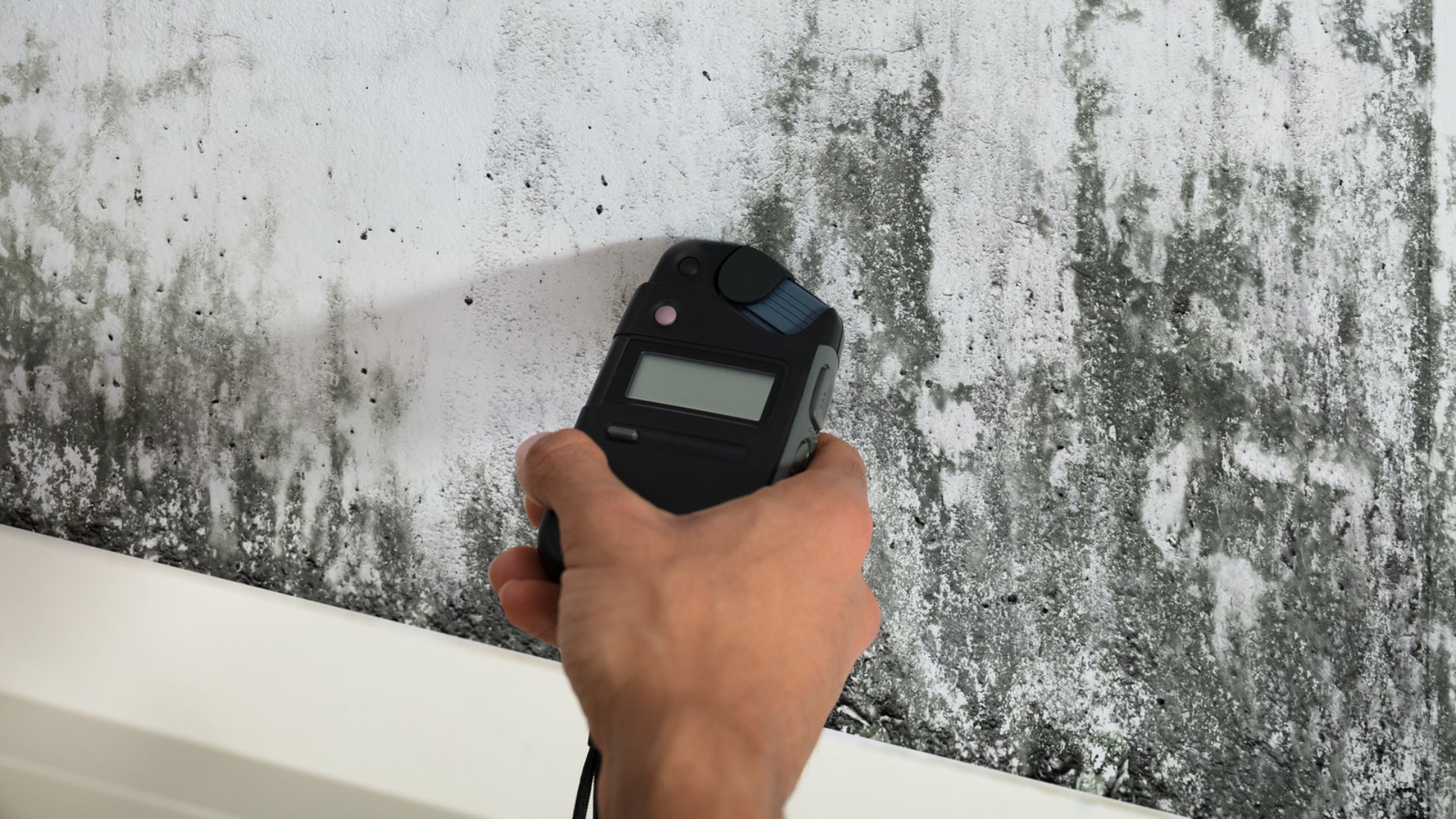
Following extraction, restoration specialists implement detailed moisture mapping using pinless moisture meters, infrared thermal imaging cameras, and thermo-hygrometers. These tools identify hidden pockets of saturation in wall cavities, subfloors, and insulation. By capturing precise moisture readings, the team crafts a targeted drying strategy that optimizes equipment placement and airflow dynamics. Moisture mapping documentation also serves as essential proof for insurance adjusters, validating the scope of work and justifying equipment hours.
Once the mapping phase is complete, the project transitions to structural drying, a multi-layered methodology designed to evacuate sub-surface moisture. Air movers and axial fans generate high-velocity airflow across wet surfaces, while low-grain refrigerant (LGR) and desiccant dehumidifiers extract water vapor from the air. Controlled temperature and humidity settings maintain an optimal drying environment, preventing mold growth and material warping. Daily monitoring by certified technicians tracks moisture decline until all affected building materials meet industry-accepted dryness thresholds.
Why Is Rapid Water Extraction and Drying Crucial in Los Angeles?
Water extraction and drying LA are indispensable in curtailing the cascade of damage triggered by excess moisture. Within just 24 to 48 hours, untreated water intrusion can lead to mold proliferation, bacterial contamination, and structural deterioration in wood framing and gypsum board. In Los Angeles’ mild climate, high ambient humidity can exacerbate these risks, turning a minor leak into a full-scale remediation project if not addressed immediately. Professional restorers understand that time is the enemy of efficient recovery, and prompt extraction is the cornerstone of a successful outcome.
During emergency response, technicians strategically position submersible pumps in low points, connect hoses to drain lines, and employ portable extractors to access tight spaces under cabinets and behind appliances. High-capacity industrial vacuums with specialized attachments capture water from carpeting, upholstery, and textured surfaces. The restoration process also integrates moisture removal from HVAC ductwork and vent systems to prevent cross-contamination of indoor air.
After bulk water removal, rapid dehumidification becomes the focus. Commercial dehumidifiers operate at low grain depression to pull moisture from both the air and bound within building materials. By alternating air movement and dehumidification cycles, the drying team avoids over-drying surfaces while eliminating hidden moisture. This balance is critical for preserving material integrity, especially in aging properties with fragile finishes or historic architectural details.
The entire water extraction and drying LA phase must comply with OSHA safety protocols, EPA lead-based paint regulations (for pre-1978 homes), and local building codes governing waste disposal and sewage handling. This regulatory compliance ensures homeowner safety, crew well-being, and environmental protection throughout the restoration journey.
How Long Does the Structural Drying Timeline Take?
Structural drying timeline targets depend on material type, saturation level, and ambient conditions. Under ideal circumstances, most drywall and wood framing reach acceptable dryness within three to five days. Concrete slabs and heavy masonry may require seven to ten days of continuous dehumidification and air movement, while dense materials like hardwood flooring and cellulose insulation can extend the process to two weeks. Accurate projections hinge on daily moisture-reading logs and real-time adjustments to equipment settings.
Below is a concise table summarizing typical drying durations by material class under controlled conditions:
| Material Type | Expected Drying Time | Key Variables |
|---|---|---|
| Drywall (gypsum board) | 3–5 days | Thickness, porosity, airflow |
| Wood framing (studs) | 4–6 days | Wood species, ambient humidity |
| Concrete slab | 7–10 days | Slab thickness, vapor barrier status |
| Hardwood flooring | 10–14 days | Finish type, subfloor moisture content |
| Insulation (fiberglass) | 7–12 days | R-value, saturation degree |
| Stucco exterior walls | 5–8 days | Weather, sun exposure, HVAC cycling |
A certified restoration team reviews these timelines daily to verify that moisture readings decline consistently. If benchmarks are not met, equipment repositioning or controlled demolition of saturated materials is implemented to accelerate evaporation and dehumidification.
What Equipment and Techniques Are Used in the Professional Restoration Process?
Professional restoration process leverages industry-leading tools and proven methodologies to guarantee comprehensive recovery. Technicians equipped with centrifugal air movers, axial fans, and injectidry wall cavity systems work in concert to extract moisture from both surface and sub-surface layers. High-output dehumidifiers—either refrigerant-based or desiccant—regulate humidity to optimal drying thresholds, minimizing the chance of microbial growth and odor retention.
Thermal imaging cameras play a pivotal role in uncovering hidden water behind walls, ceilings, and under flooring. By detecting temperature differentials caused by moisture evaporation, these infrared scans guide technicians to treat pockets of saturation that would otherwise remain concealed. Moisture meters then quantify wetness levels, ensuring that air movers and dehumidifiers remain in place until every material reaches dryness standards.
Controlled demolition is sometimes necessary when mold or trapped moisture persists. In such cases, sectioning out wet drywall or removing saturated insulation accelerates airflow and allows focused treatment of contaminated cavities. The professional restoration process also integrates antimicrobial sprays and HEPA-filtered air scrubbing to eliminate mold spores and improve indoor air quality.
Alignment with the Institute of Inspection, Cleaning and Restoration Certification (IICRC) and adherence to ANSI/AARST standards ensure that all equipment calibration, technician training, and safety protocols meet or exceed industry benchmarks.
Midway through the restoration journey, homeowners often ask about the reliability of local providers. Los Angeles Water Damage Restoration stands as a frequent point of comparison, given its reputation for rapid dispatch and 24/7 emergency services. Yet, selecting a contractor with robust local expertise—in understanding regional weather patterns, building styles, and municipal code—can make a critical difference in outcomes and insurance negotiations.
How Do Moisture Mapping and Thermal Imaging Ensure Complete Drying?
Moisture mapping and thermal imaging integrate to form a precision-driven drying plan. Pinless moisture meters scan broad surfaces for elevated moisture content, while pin meters measure exact water percentages in dense materials. Infrared cameras capture high-resolution thermal images, immediately highlighting cold spots where moisture absorbs heat during evaporation.
By overlaying moisture data points on the home’s floor plan, technicians create a drying map that identifies priority areas. This targeted approach maximizes equipment efficiency, reducing overall drying time and minimizing the need for extensive demolition. Real-time monitoring with wireless sensors further refines equipment settings, dynamically responding to environmental changes or unexpected moisture shifts.
Thermal imaging also aids in detecting hidden leaks and plumbing failures behind walls—discoveries that often escape manual inspections. Early detection prevents long-term damage to structural elements and lowers the overall repair bill by addressing the root cause of water intrusion.
What Are the Common Causes of Water Damage in Los Angeles Homes?
Water damage in Los Angeles homes most often stems from a handful of predictable sources: burst or leaking pipes, roof and window seal failures, HVAC condensation overflows, sewer line backups, and stormwater infiltration during heavy winter rains. Aging copper or galvanized piping can corrode, leading to pinhole leaks within drywall and under cabinets. Roof tiles and flashing may deteriorate over time, allowing rainwater to penetrate stucco exteriors and compromise attics.
Ground-level flooding from inadequate grading or clogged gutters can swamp basements and crawl spaces, saturating subfloors. Sewer backups, often triggered by municipal line blockages or root intrusions, introduce biohazardous water that requires specialized containment and disinfection. Identifying these causes is the first step in developing proactive strategies—like slope correction, gutter maintenance, and periodic plumbing inspections—to mitigate future incidents.
Older Los Angeles neighborhoods built on expansive clay soils can also face foundation heave during drought cycles followed by heavy rains, increasing the risk of foundation cracks and water entry through basement walls and utility penetrations. A comprehensive restoration contractor evaluates these geological factors when designing drainage solutions and waterproofing measures.
Around the midpoint of the restoration process, homeowners frequently ask how to coordinate between the restoration crew and their insurance adjuster. Contact us if scheduling conflicts arise or detailed documentation is needed for claim submissions. A dependable manager will liaise directly with carriers, provide moisture logs, and clarify scope adjustments to expedite approvals and prevent payment delays.
When Is Controlled Demolition Required?
Controlled demolition enters the workflow when surface drying efforts are insufficient to remove deeply embedded moisture or when extensive mold colonization has compromised materials. Selective removal of gypsum board, insulation, and trim allows for direct airflow to concealed cavities. This surgical approach preserves as much of the existing structure as possible while enabling technicians to treat underlying wood framing and subfloor layers with antimicrobial agents.
Engineers and restoration specialists determine cut-out dimensions based on moisture gradient data. In extreme cases—such as Category 3 water events involving black water—a larger swath of contaminated materials must be removed to restore health and safety. All demolition debris is bagged, sealed, and disposed of in accordance with local hazardous waste regulations, protecting residents and the environment alike.
How Does Sanitation and Mold Remediation Fit Into the Process?
Post-drying sanitation forms the next critical phase of the professional restoration process. Technicians apply EPA-registered antimicrobial sprays to all exposed surfaces, thwarting mold, mildew, and bacterial growth. HEPA-filtered air scrubbers run continuously during and after treatment to capture airborne spores and volatile organic compounds.
If mold remediation is necessary, containment barriers and negative-pressure chambers isolate affected zones. Trained mold technicians perform abrasive or non-abrasive cleaning methods—such as wire brushing or dry ice blasting—based on material sensitivity. Air quality testing before and after remediation validates that spore counts have returned to acceptable indoor limits.
This sanitation step not only safeguards occupant health but also protects the structural integrity of wood framing, HVAC ductwork, and other moisture-prone substrates from future biological damage.
What Does the Final Repair and Reconstruction Look Like?
Once moisture readings confirm complete dryness and sanitation protocols clear biological risks, the project moves into final restoration. Skilled carpenters, painters, and flooring specialists repair drywall, replace insulation, and reinstall trim to seamlessly match existing finishes. Subfloor repairs or hardwood refinishing follow strict material compatibility guidelines to prevent future warping or cupping.
Reconstruction phases are scheduled around homeowner availability and prioritized to restore primary living spaces first—typically kitchens and bathrooms—before addressing secondary rooms. Licensed electricians and plumbers handle any rerouting of utilities, ensuring that all fixtures comply with California building codes and city-specific ordinances.
Clear communication between the restoration manager and homeowner ensures that color matching, finish quality, and timeline expectations align perfectly. Upon project completion, a walkthrough checklist verifies that every component—from door hardware to paint sheen—meets the original scope and homeowner satisfaction.
By blending advanced equipment, scientific protocols, and strict quality controls, the professional restoration process reinstates both the safety and livability of Los Angeles residences. 4 Square Restoration remains committed to delivering tailored solutions that honor local building styles and homeowner priorities.
Conclusion
Los Angeles Water Damage Restoration demands an orchestrated sequence of emergency mitigation, targeted water extraction and drying LA, meticulous moisture mapping, structural drying timeline management, and expert sanitation to yield a safe, habitable home once again. Integrating industry certifications, EPA-compliant disinfection, and region-specific know-how ensures that properties withstand Southern California’s unique environmental challenges. A thorough post-restoration inspection certifies that every square foot meets stringent dryness and safety benchmarks.
Homeowners facing unexpected water disasters gain peace of mind when partnering with a full-service provider that liaises with insurers, maintains daily drying logs, and upholds the highest quality standards during final reconstruction. For expert guidance, rapid response, and a transparent path to recovery, reach out to the trusted team at 4 Square Restoration. Your property’s safe return to normalcy is our highest priority.
Frequently Asked Questions
What categories of water damage exist and how do they affect restoration?
Water damage falls into three categories: Category 1 (clean water), Category 2 (gray water), and Category 3 (black water). The category determines required sanitation levels, PPE protocols, and disposal methods, shaping the overall scope and cost of restoration.
Can homeowners handle water extraction and drying without professionals?
While portable shop vacuums and rental dehumidifiers can tackle minor spills, professional equipment—such as truck-mounted extractors, LGR dehumidifiers, and commercial air movers—is essential for deep structural drying and preventing hidden moisture issues.
How does insurance coverage typically apply to water damage restoration?
Most homeowner policies cover sudden, accidental water damage (like burst pipes) but exclude gradual leaks or neglect. Timely reporting, detailed moisture logs, and contractor estimates help ensure clear documentation for claim approval.
What steps can Los Angeles homeowners take to reduce future water intrusion risks?
Regular gutter cleaning, periodic plumbing inspections, foundation grading, and timely roof maintenance are effective preventive measures. Installing water-sensing alarms and automatic shut-off valves adds additional protection.
How soon after a water event should a restoration team arrive?
Emergency mitigation is ideally initiated within four hours of notice to avoid mold growth and structural decay. Most professional providers offer 24/7 response and can mobilize crews within one to two hours of dispatch.